
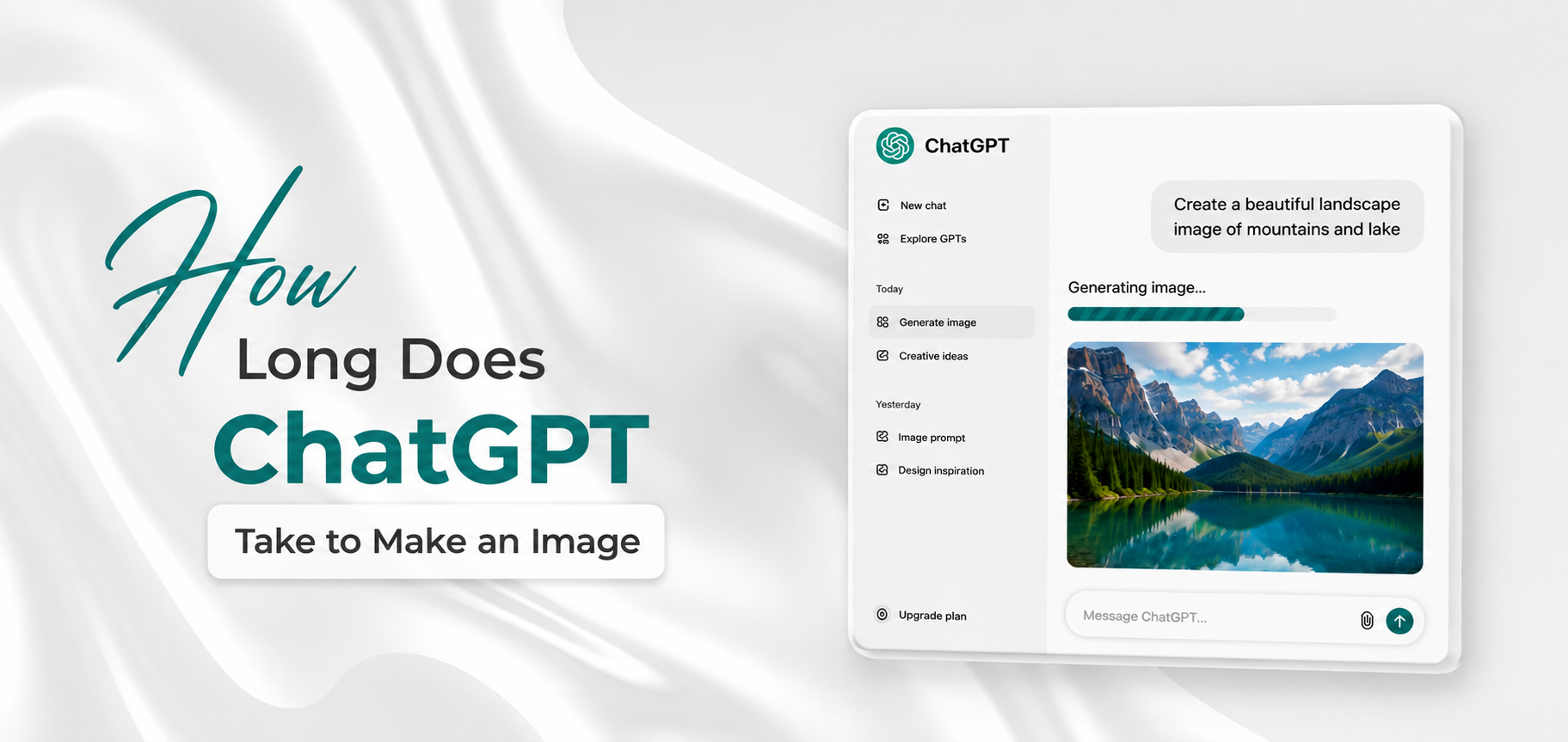
You type a prompt into ChatGPT. You expect the image to pop up right away. Then, a few seconds pass, and you start to wonder what is going on behind the screen. This happens to almost everyone the first time they use the tool.
On average, ChatGPT builds a single image in 10 to 60 seconds. The exact number depends on how complex your prompt is and how many people are on the platform at that moment. This article breaks down what slows the process down, what speeds it up, and how businesses use these images alongside ChatGPT SEO services to grow faster online.
Want AI to Do More Than Just Create Images?

 Chat on WhatsApp
How Long Does ChatGPT Take to Make an Image on Average
Most standard requests finish somewhere between 10 and 60 seconds. A basic icon or a simple graphic usually lands near the low end. A detailed scene with several elements sits closer to the high end.
Do not expect the same speed every single time. The system handles thousands of requests at once, so timing shifts based on traffic and how much work the model has to do for your specific prompt.
Why Does ChatGPT Sometimes Generate Images Quickly and Other Times Take Longer
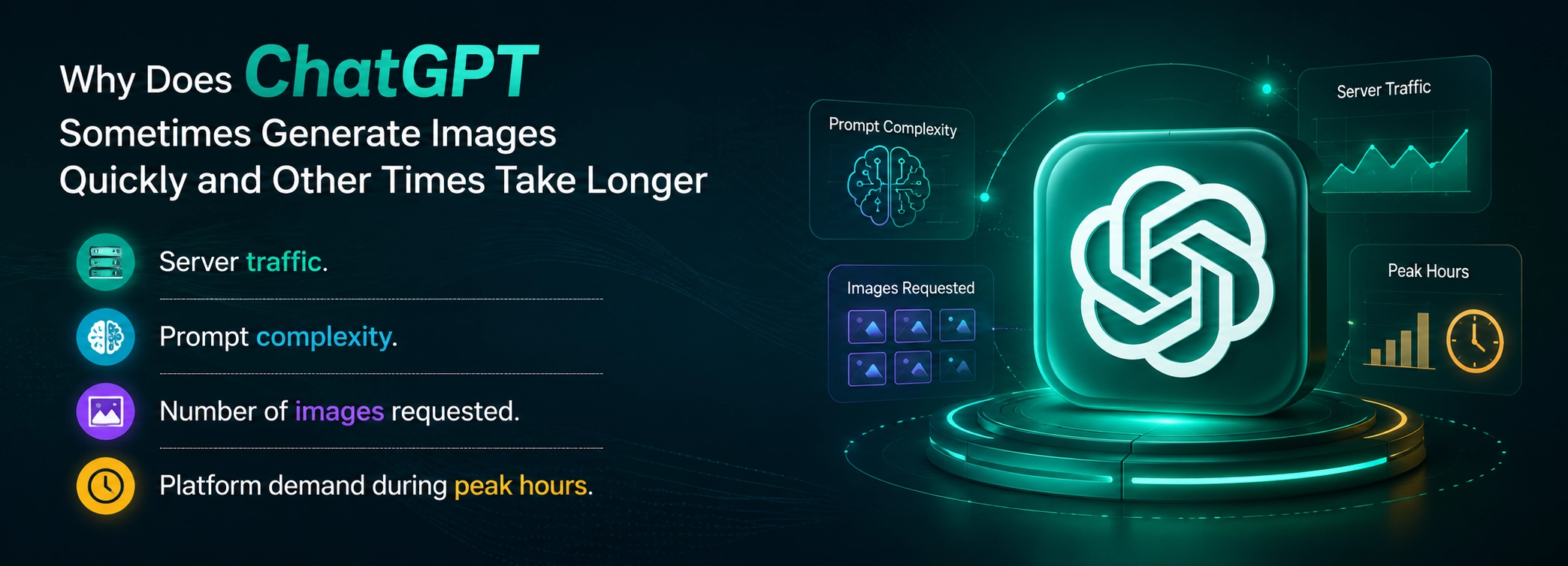
Server traffic drives most of the difference you notice. When thousands of users send requests at the same time, the system queues them up, and your wait grows by a few extra seconds.
Prompt complexity matters too. So does the number of images you ask for in one shot. Submit a request during a slow hour like early morning, and you will likely see faster results than during a busy afternoon.
What Happens Behind the Scenes While ChatGPT Creates an Image
The model reads your prompt first. It picks out the key objects, the style you want, and any specific instructions you gave. This step happens fast, almost instantly, and it sets up everything that follows.
Next, the model builds the image piece by piece, layer by layer. A final pass cleans up rough edges and prepares the file for you to see. Teams that use ChatGPT SEO tools alongside image work often study this process closely, since it helps them write prompts that render faster and match their brand look.
Which Types of Images Usually Take the Longest to Generate
Not every image demands the same effort from the model. Some categories need far more computing power than others.
- Photorealistic portraits
- Product mockups
- Fantasy artwork
- Logos
- Marketing graphics
- Infographics
An image packed with fine detail, several subjects, or tricky lighting takes longer. The model has more to calculate and more to get right before it hands you the final result.
How Does Your Prompt Affect Image Generation Speed and Quality
Write a clear prompt, and you get a faster, more accurate result. Give the model specific details without piling on contradictory instructions, and it understands your request the first time around.
A vague or confusing prompt forces you into multiple rounds of edits. That eats up time. Think through what you want before you hit send, and you will land closer to your goal on the first try.
What Common Factors Can Slow Down ChatGPT Image Generation

A handful of issues keep coming up. Heavy server load during peak hours tops the list. A slow internet connection on your end adds to the problem too.
Highly detailed prompts slow things down. So do safety reviews on sensitive content and a stack of edit requests piled onto one original image. Know these factors ahead of time, and you will set your expectations correctly before you even start.
How Can You Generate AI Images Faster Without Sacrificing Quality
Speed and quality are not enemies. A few small changes to how you build your requests save real time.
- Keep prompts short and direct
- Request one image at a time
- State your style clearly, once
- Break big ideas into smaller pieces
These habits cut the load on the model and lower your odds of needing a second try.
Does Editing an Existing Image Take Longer Than Creating a New One
The answer depends on what kind of change you want. Some edits finish quickly. Others force the model to rebuild large chunks of the picture.
| Edit Type | Typical Speed |
| New image generation | Moderate |
| Background removal | Fast |
| Object replacement | Slower |
| Image enhancement | Fast |
| Style transformations | Slower |
Object replacement and style changes take longer because the model has to blend new pieces into an existing picture without it looking off.
Do Image Size, Style, and Resolution Affect Generation Time
A square image usually renders faster than a wide landscape shot, simply because there is less space to fill. A simple, artistic style also moves faster than a photorealistic one that demands sharp texture and precise light.
A busy background adds time. So does a request for higher resolution. Keep your composition clean and simple, and it will almost always finish faster than a dense, detailed one.
What Should You Do If ChatGPT Keeps Taking Too Long to Create an Image
If a request feels stuck or slow, try a few simple fixes before you give up on it.
- Refresh the page and try again
- Trim your prompt down
- Wait until traffic drops
- Split a large request into smaller ones
- Check your own internet connection
Most slow spells fix themselves once traffic eases up or once you tighten your prompt.
Comparison Table: ChatGPT vs Other Popular AI Image Generators
| Feature | ChatGPT | Midjourney | Adobe Firefly | Google Imagen |
| Ease of Use | Excellent | Moderate | Excellent | Excellent |
| Prompt Guidance | Excellent | Good | Good | Good |
| Image Editing | Built in | Limited | Advanced | Moderate |
| Conversational Experience | Yes | No | No | Limited |
| Best For | Everyday users and businesses | Creative artwork | Designers | General image creation |
ChatGPT stands out because you can talk to it like a person. You do not need to learn special commands the way you do with some other tools.
How Can AI-Generated Images Improve Your Website and Marketing Campaigns
Visitors judge a brand within seconds of landing on a page. AI-generated images support landing pages, blog posts, product pages, social campaigns, and email marketing without the long wait that traditional design work usually requires.
A business that works with an AI SEO company often pairs these images with keyword strategy, so every visual asset also pulls its weight in search. This combination cuts production time while it keeps content aligned with what people actually search for.
Can AI Images Help Improve Your SEO Performance
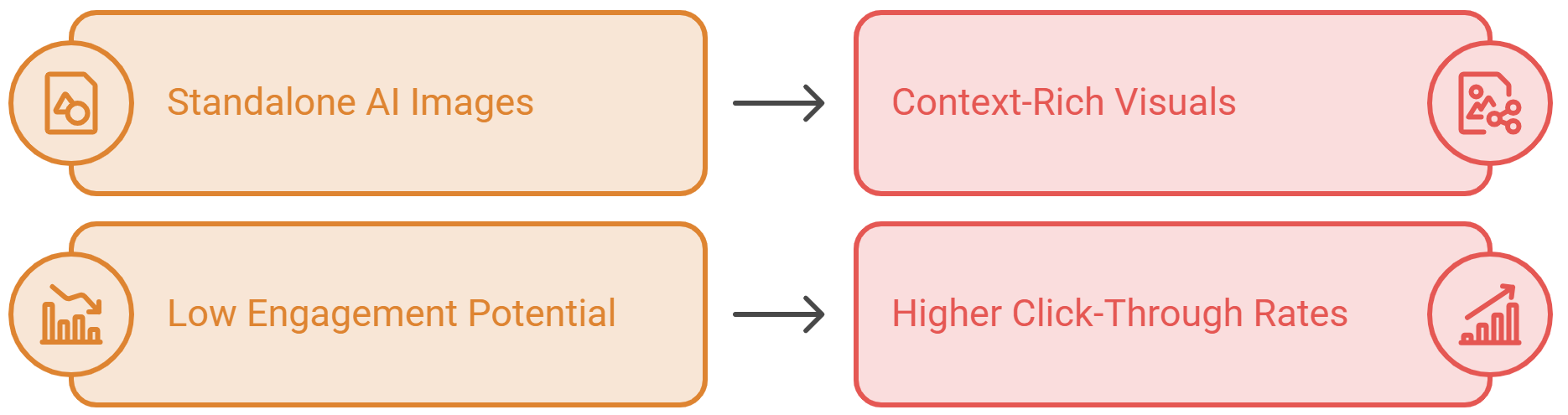
Strong visuals boost engagement and smooth out the user experience. Search engines pay attention to both. Pages with relevant, well-built images also tend to earn higher click-through rates from search results.
An organic SEO company will often tell you to pair AI images with proper alt text and clear file names to support visual search. Small technical steps like these add up over time and make a real difference.
Why Are Businesses Combining AI Images With SEO Strategies
Faster content production drives most of this shift. Teams that once waited days for custom graphics now produce usable visuals in minutes, and that speeds up their whole publishing calendar.
An organic SEO consultant will point to stronger organic visibility, sharper branding, and better conversion rates as the direct result of steady, well-optimized visual content. Pair ChatGPT SEO services with a clear content plan, and your business stays ahead of competitors still stuck on slow design cycles.
Comparison Table: Estimated Image Generation Time by Image Type
| Image Type | Estimated Speed | Complexity | Best Use Case |
| Icons | Very Fast | Low | Websites |
| Logo Concepts | Fast | Medium | Branding |
| Social Media Graphics | Fast | Medium | Marketing |
| Product Mockups | Moderate | Medium | Ecommerce |
| Realistic Portraits | Slower | High | Advertising |
| Fantasy Artwork | Slower | High | Creative Projects |
Keep this table handy if you plan out content timelines, especially if your team juggles several visual assets at once.
How Can B2B Companies Use AI Images to Generate More Leads
B2B companies put AI images to work across sales decks, product demos, whitepapers, case studies, and LinkedIn posts. Clean, professional graphics help complex ideas land fast with decision-makers who skim content before they commit real time to it.
Agencies that offer SEO services for ChatGPT and similar tools often build custom visual templates for B2B clients, which speeds up how fast a campaign gets off the ground. Add B2B SEO services to the mix, and the content also ranks well and reaches the right audience through search.
What Do the Latest AI Image Generation Statistics Tell Us
More marketing teams adopt AI every year, since they need to produce content fast without growing their headcount. AI-generated visual content keeps climbing across industries, and ecommerce and B2B sectors lead the charge.
Productivity gains, stronger engagement from customers, and rising business investment all point in the same direction. Many companies now treat an AI SEO service as a core part of their strategy, not a side experiment.
What Common Mistakes Make AI Image Generation Slower or Less Accurate
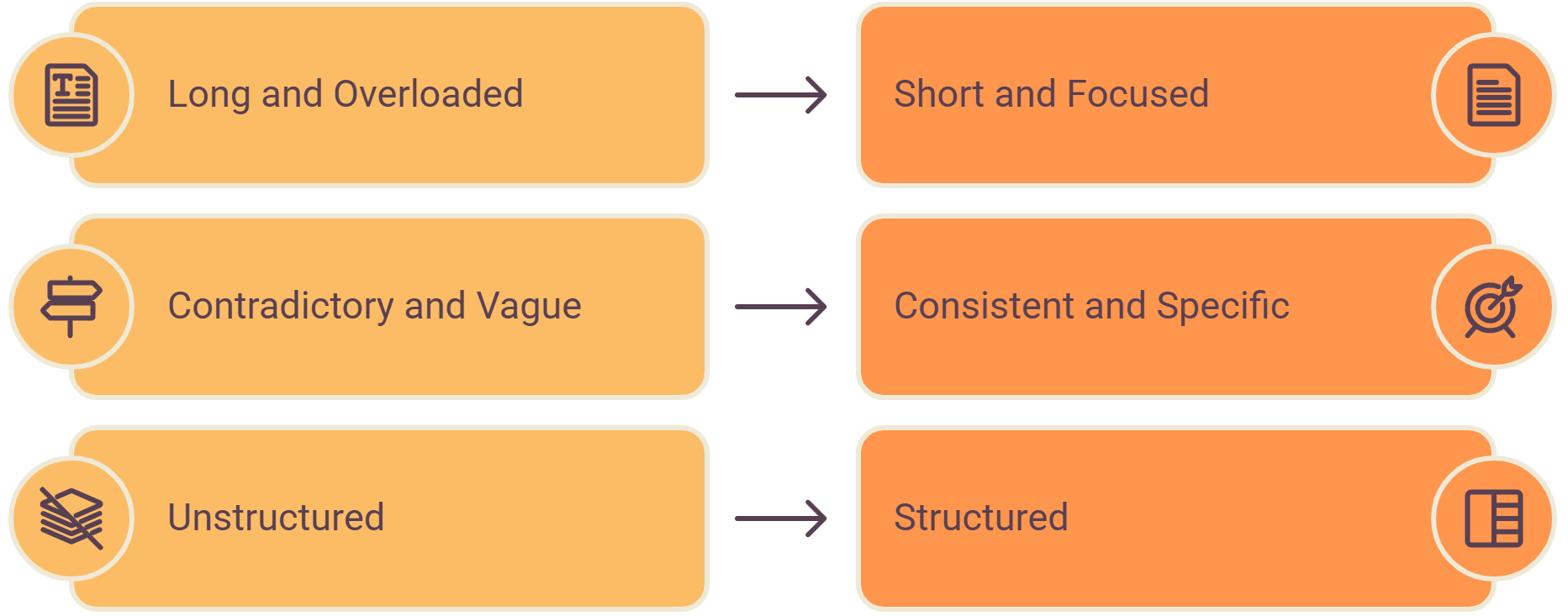
A few habits slow results down and hurt accuracy every single time. Skip these, and you save real time and get cleaner output on your first attempt.
- Long, overloaded prompts
- Contradictory instructions
- Too many edit requests stacked together
- Vague descriptions
- No real structure to the prompt
A short, focused prompt beats a long, scattered one nearly every time, both on speed and on how close the final image lands to what you wanted.
Is ChatGPT the Right AI Image Generator for Your Personal or Business Needs
ChatGPT works well for a wide range of people, but weigh its strengths against its limits before you build a whole workflow around it.
Pros
- Easy to use
- Fast image output
- Strong prompt support
- Built in editing tools
- Great fit for marketing and content work
Cons
- Speed varies from session to session
- Prompt quality matters a lot
- Server demand affects wait times
- Some requests face restrictions
For most everyday and business needs, the upside outweighs an occasional wait, especially once you learn to write a tight prompt.
Expert Tips to Generate Better AI Images in Less Time
A few habits separate fast, accurate results from slow, frustrating ones. A structured prompt that names lighting, camera angle, and a style reference tends to produce clean output on the first try.
A digital marketing strategist once put it this way: “The biggest time saver in AI image work is not a faster tool; it is a clearer prompt.” Keep requests focused. Save the prompts that worked well so you can reuse them. That builds a workflow you can trust over time.
What Does the Future of AI Image Generation Look Like
Rendering speeds keep improving as the models grow more efficient, and image realism advances with each new update. Expect editing tools to grow sharper too, which will give users finer control over small details without a full restart.
Business tools keep connecting to these models directly, which links image work to marketing platforms and content systems without extra steps. Visual content creation is moving from a separate task to a built-in part of daily business work.
Why Businesses Choose Redefining Web for AI, SEO, and Digital Growth
Businesses that want more than a quick image often look for a team that understands how AI fits into a bigger growth plan. AI-powered SEO strategies built for modern search, paired with website optimization that lifts visibility and user experience, give a business a real edge.
AI content marketing that supports long-term organic growth, technical SEO that helps a site run better, and data-driven strategies focused on qualified leads round out a full approach. Custom digital marketing plans for startups, e-commerce brands, and B2B businesses make this kind of partnership work at any stage of growth.
Conclusion
ChatGPT usually builds an image in 10 to 60 seconds, and the exact time shifts based on prompt complexity, server traffic, and the type of image you ask for. Write a clear, focused prompt, and you get faster, more accurate results almost every time. AI becomes even more useful when you pair it with a solid SEO plan through ChatGPT SEO services. Businesses that want to turn fast image output into real traffic and leads often team up with Redefining Web, which blends AI tools with proven SEO work to help sites rank higher and turn more visitors into paying customers.
Ready to Turn AI Into Real Business Growth?
Frequently Asked Questions about ChatGPT SEO Services


Know your website’s SEO Score.
Get a customized SEO Audit report & improve your website statistics.