
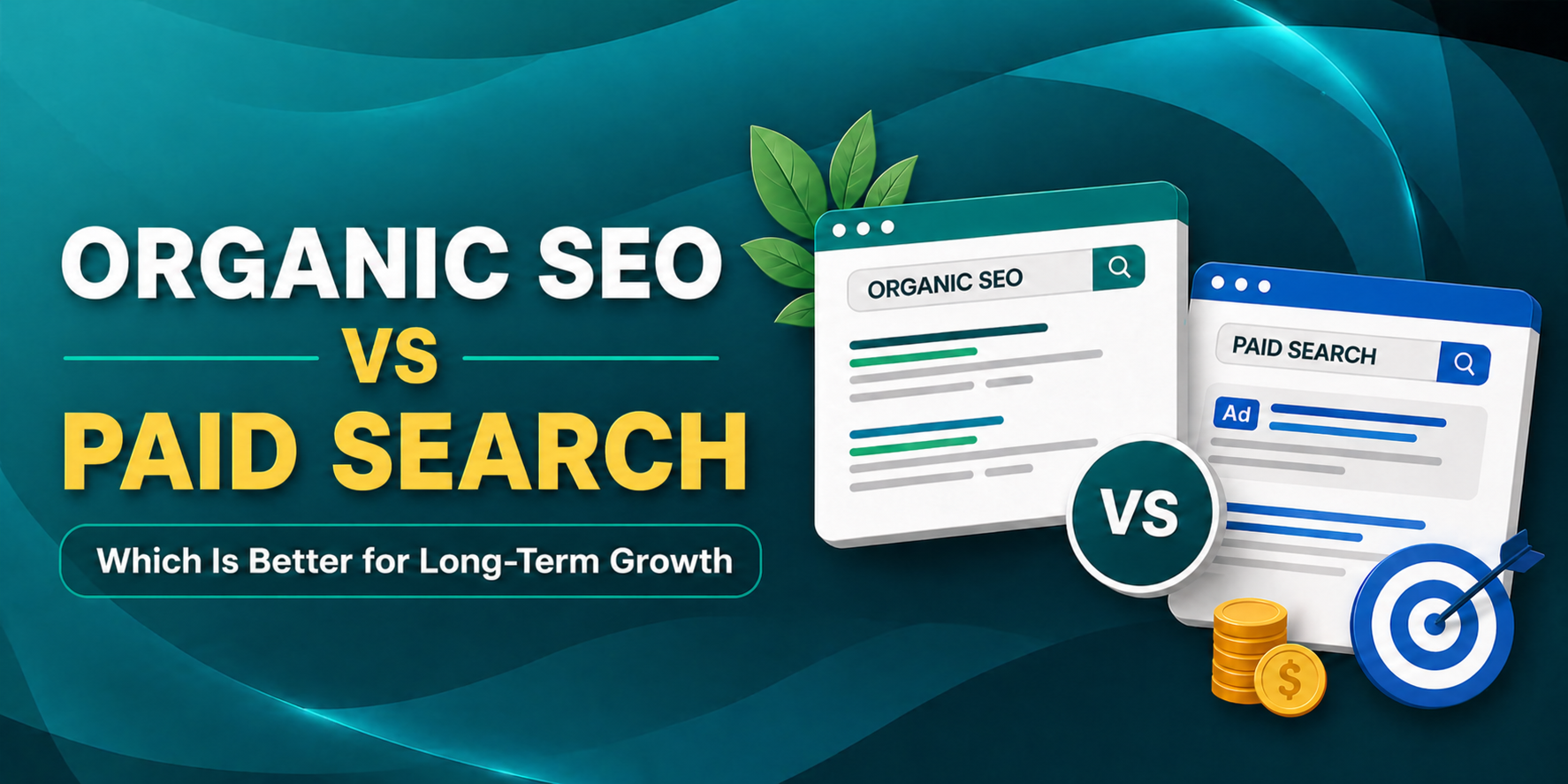
Organic SEO and Paid Search are two common ways to drive traffic to your website, but they serve different purposes. Organic SEO focuses on improving your website so it ranks naturally on search engines like Google by using the right keywords, creating valuable content, and optimizing performance. An Organic SEO Agency typically works on long-term strategies that take time to show results but provide consistent and sustainable traffic without ongoing costs per click. In contrast, Paid Search offers instant visibility by placing your website at the top of search results through ads, where you pay for each click, making it ideal for quick promotions or immediate results but not sustainable without continuous spending. While Paid Search can deliver fast traffic, Organic SEO builds a strong foundation for long-term growth, and many businesses achieve the best results by combining both strategies to balance short-term gains with lasting online visibility.
Build Traffic That Grows Over Time

 Chat on WhatsApp
What is Organic SEO
Organic SEO means improving your website so it can show up naturally on search engines like Google without paying for ads. It includes using the right keywords, writing helpful content, and making your website easy to use and fast. An Organic SEO Expert knows how to match what people are searching for with the right content while following search engine rules. Search engines decide rankings based on things like how useful your content is, how fast your site loads, how easy it is to use, and how many trusted websites link back to you. Over time, Organic SEO helps your website grow steadily, bringing in regular traffic without paying for every click and helping you build strong trust and visibility online.
What is Paid Search (PPC)
Paid advertising is a way to get traffic to your website by paying for ads on search engines like Google. One of the most common forms is PPC (Pay-Per-Click), where you only pay when someone clicks on your ad. A PPC Expert creates and manages these campaigns by choosing the right keywords, setting budgets, writing ad copies, and tracking performance to get better results. PPC campaigns work by bidding on keywords, so when someone searches for those words, your ad can appear at the top of the search results. The biggest advantage of PPC is instant visibility, as your website can start getting traffic immediately after the campaign goes live, making it useful for quick promotions, new launches, or getting fast leads.
Organic SEO vs Paid Search: Core Differences
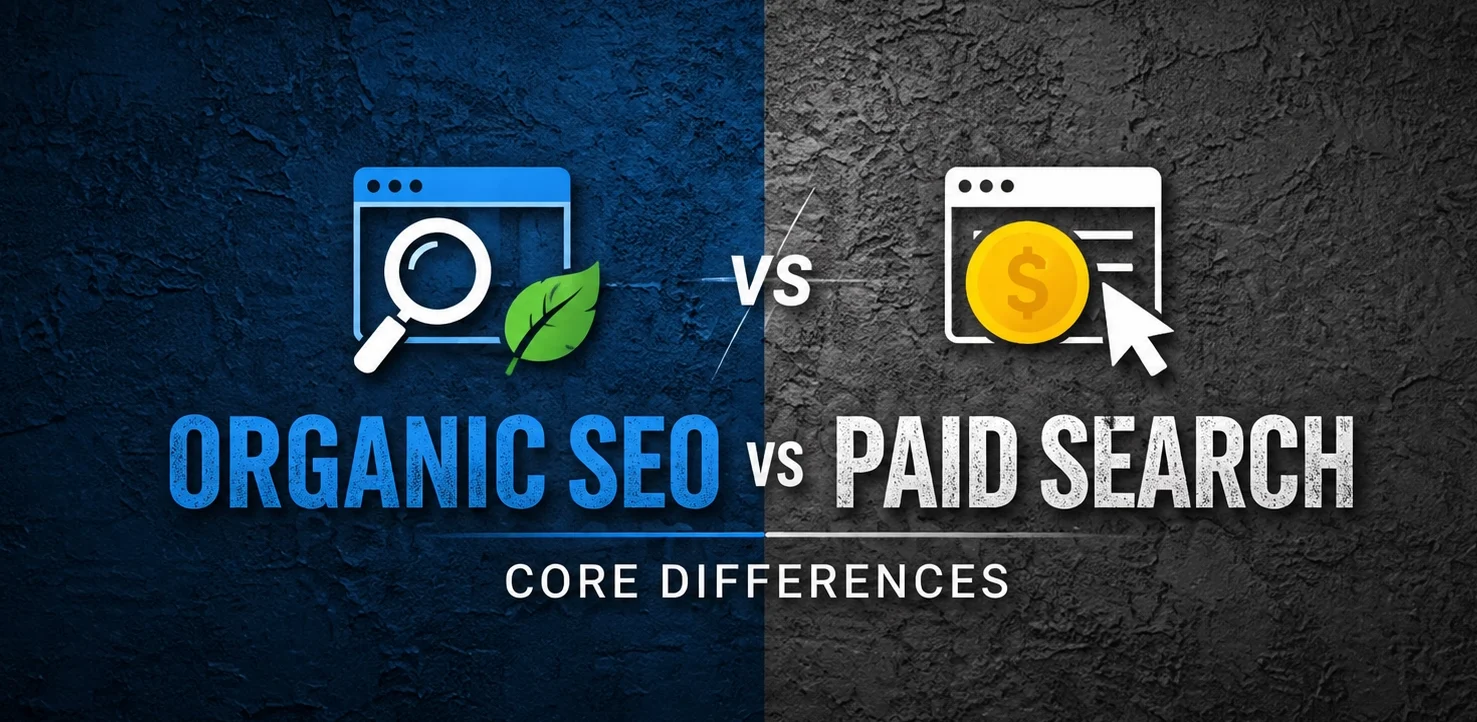
Cost structure: Organic SEO does not require payment for every click, but it needs investment in content creation, optimization, and time. PPC advertising requires continuous spending because you pay for each click on your ad.
Speed of results: Organic SEO takes time to show results because search engines need time to rank your website. PPC gives instant results, and your ads can appear at the top of search results right after launching a campaign.
Sustainability: Organic SEO provides long-term and stable traffic even after the work is done. PPC traffic stops as soon as you stop paying for ads.
Trust and credibility: Organic SEO builds more trust because users often prefer natural search results on Google. PPC ads are clearly marked as ads, so some users may trust them less compared to organic results.
How Search Engines Rank Organic Content
-
Crawling and indexing: Search engines like Google first “crawl” your website, which means they send bots to visit and scan all your pages. These bots read your content, links, images, and structure to understand what your site is about. After crawling, the pages are “indexed,” which means they are saved in Google’s database. Once a page is indexed, it can show up in search results when someone searches for related information. If your page is not crawled or indexed properly, it will not appear in search results at all.
-
Role of keywords and backlinks: Keywords are the words and phrases people type into search engines. When you use the right keywords in your content, titles, and headings, it helps search engines understand your topic and show your page to the right audience. Backlinks are links from other websites that point to your website. They are very important because they act like votes of trust. If trusted websites link to your content, search engines see your site as more reliable and may rank it higher in results.
-
Content quality signals: Search engines look at how good and useful your content is for users. If your content is easy to read, answers real questions, and provides helpful information, it is more likely to rank higher. Other signals include how long users stay on your page, whether they click away quickly, and if your content is updated regularly. High-quality content that gives real value always performs better in search results over time.
How Paid Search Advertising Works
Step 1: Bidding system
In PPC advertising, you first choose how much you are willing to pay for each click on your ad. This is called bidding. You compete with other advertisers who are also targeting the same keywords on search engines like Google. The higher and smarter your bid, the better chance your ad has to appear in search results.Step 2: Ad Rank and Quality Score
After bidding, search engines decide where your ad will appear using Ad Rank. Ad Rank is based on your bid amount and your Quality Score. Quality Score checks how relevant your ad is, how good your landing page is, and how likely users are to click your ad. A higher Quality Score can help your ad rank higher even if your bid is lower than competitors.Step 3: Cost-per-click (CPC) model
In PPC, you only pay when someone actually clicks on your ad. This is called the Cost-per-Click model. The amount you pay per click depends on your bid, competition, and Quality Score. This system helps you control your budget while only paying for real traffic coming to your website.
Technical Performance Statistics
Organic search drives ~53% of total website traffic: This means more than half of all visitors come from organic results on search engines like Google. It shows how powerful SEO is for long-term growth. When your website ranks higher naturally, you keep getting traffic every day without paying for each click. This traffic is also more stable because it does not depend on ad budgets. Over time, strong SEO helps build trust, visibility, and a steady flow of visitors from people actively searching for your services or information.
Paid search contributes ~15% of traffic: Paid ads bring a smaller share of total website visitors compared to organic search. Even though it can give quick traffic, it depends fully on how much money you spend. If you stop running ads, the traffic also stops immediately. Paid search is often used for short-term goals like promotions, product launches, or quick lead generation. However, it usually cannot match organic traffic in volume or long-term value because it is limited by budget and competition.
70–80% of users skip ads: Most users scroll past paid ads and click on organic results instead. This happens because many people trust natural search results more than advertisements. They feel organic results are more helpful, unbiased, and relevant to their search. As a result, even if ads appear at the top, a large number of users ignore them and focus on organic listings. This makes SEO very important for capturing the majority of search traffic.
SEO leads have higher conversion rates than paid leads: People coming from organic search are usually actively looking for answers, products, or services. Because of this, they are already more interested when they land on your website. This makes them more likely to take action, such as buying something, signing up, or contacting you. Paid traffic can also convert, but SEO traffic often performs better because it comes from real user intent rather than ads.
Cost Comparison: Organic SEO vs Paid Search
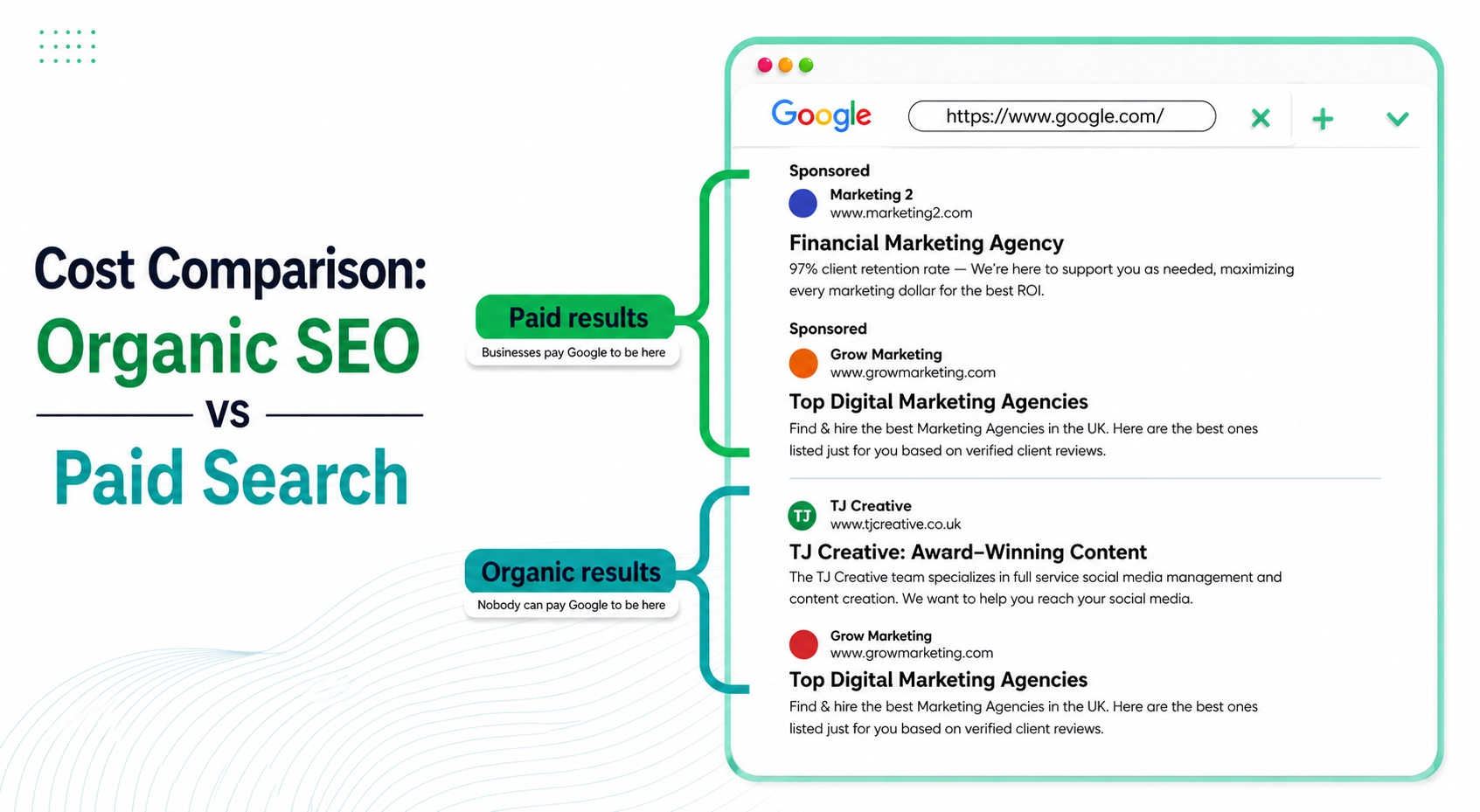
Long-term investment vs ongoing spend:
SEO is a long-term investment because it takes time to show results, but once your website ranks on Google, it can bring free traffic for a long time. You don’t need to pay for every click. Paid search is an ongoing spend because you have to keep paying to show ads. If you stop paying, the traffic stops immediately.Budget scalability:
SEO can grow slowly without needing a big budget. You mainly need good content and time for results to improve. It is more about steady work than spending more money. Paid search is easier to scale quickly because you can increase or decrease your budget anytime. But more budget means more cost, especially in competitive areas.Cost efficiency over time:
SEO becomes cheaper over time because after ranking, you keep getting visitors without paying for each one. This makes it more cost-effective in the long run. Paid search is less cost-efficient because you pay for every click, and costs keep adding up as long as the ads run.
ROI Comparison for Long-Term Growth
Compounding returns of SEO
SEO gives growing results over time. When you improve your website and add helpful content, your pages slowly start ranking higher on Google. As more pages rank, you get more visitors without spending extra money. Over time, these small improvements build up and bring much bigger traffic and results.Short-term gains from PPC
PPC (paid ads) gives quick results. Your ads start showing almost immediately, and you can get traffic, leads, or sales very fast. But these results only last while you are paying for the ads. Once you stop spending money, the traffic stops too.Lifetime customer value
Lifetime customer value means how much money a customer can bring to your business over time. SEO often brings people who trust your website more, so they may come back again and again. This increases their long-term value. PPC brings quick customers, but SEO usually helps build stronger and longer relationships.
Comparison Table: Organic SEO vs Paid Search
| Factor | Organic SEO | Paid Search |
| Cost | Lower over time | Continuous spending |
| Speed | Slower results | Immediate visibility |
| Trust | High | Moderate |
| Longevity | Long-lasting | Stops when ads stop |
| ROI | Compounding growth | Short-term returns |
Key Benefits of Organic SEO
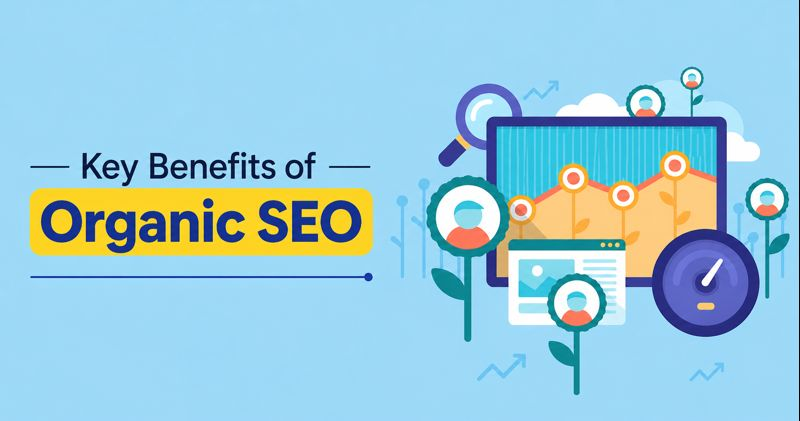
SEO helps in building sustainable traffic growth because it brings steady visitors to your website over time. Once your pages start ranking on search engines, you continue to receive traffic without paying for every click, which makes the growth stable and long-lasting. It also improves brand authority, as appearing on the first page of Google for multiple keywords makes your business look more trusted and established. Along with this, SEO increases user trust because people naturally trust organic search results more than ads. When users find your website through search instead of paid promotions, they are more likely to believe in your content and engage with your brand.
Key Benefits of Paid Search
Paid search gives immediate traffic because your ads start appearing as soon as the campaign is launched. This is very useful when you want quick results like leads, sales, or website visits without waiting for SEO to build up over time. It also allows precise audience targeting, meaning you can control exactly who sees your ads. You can target people based on keywords they search, their location, age, interests, or even their online behavior, which helps you reach the right audience at the right time and reduces wasted clicks. Along with this, paid search offers strong campaign flexibility. You can easily adjust your budget, pause or restart ads, change ad copy, or test different strategies anytime. This makes it easier to improve performance quickly and respond to market changes or business needs in real time.
When to Choose Organic SEO
Long-term growth goals:
This means focusing on results that build over time instead of quick wins. The main aim is to grow your website slowly but steadily so it keeps bringing traffic, leads, and customers in the future. It takes patience, but the results are more stable and long-lasting.Limited advertising budget:
This means you don’t have a large amount of money to spend on paid ads. Because of this, every rupee or dollar needs to be used carefully. Instead of depending fully on ads, you need to focus on low-cost or free methods like SEO to get better returns.Content-driven strategy:
This means your growth depends mostly on creating useful and high-quality content. Blogs, landing pages, and guides help attract people from search engines. Good content answers user questions, builds trust, and brings organic traffic without needing heavy ad spending.
When to Choose Paid Search
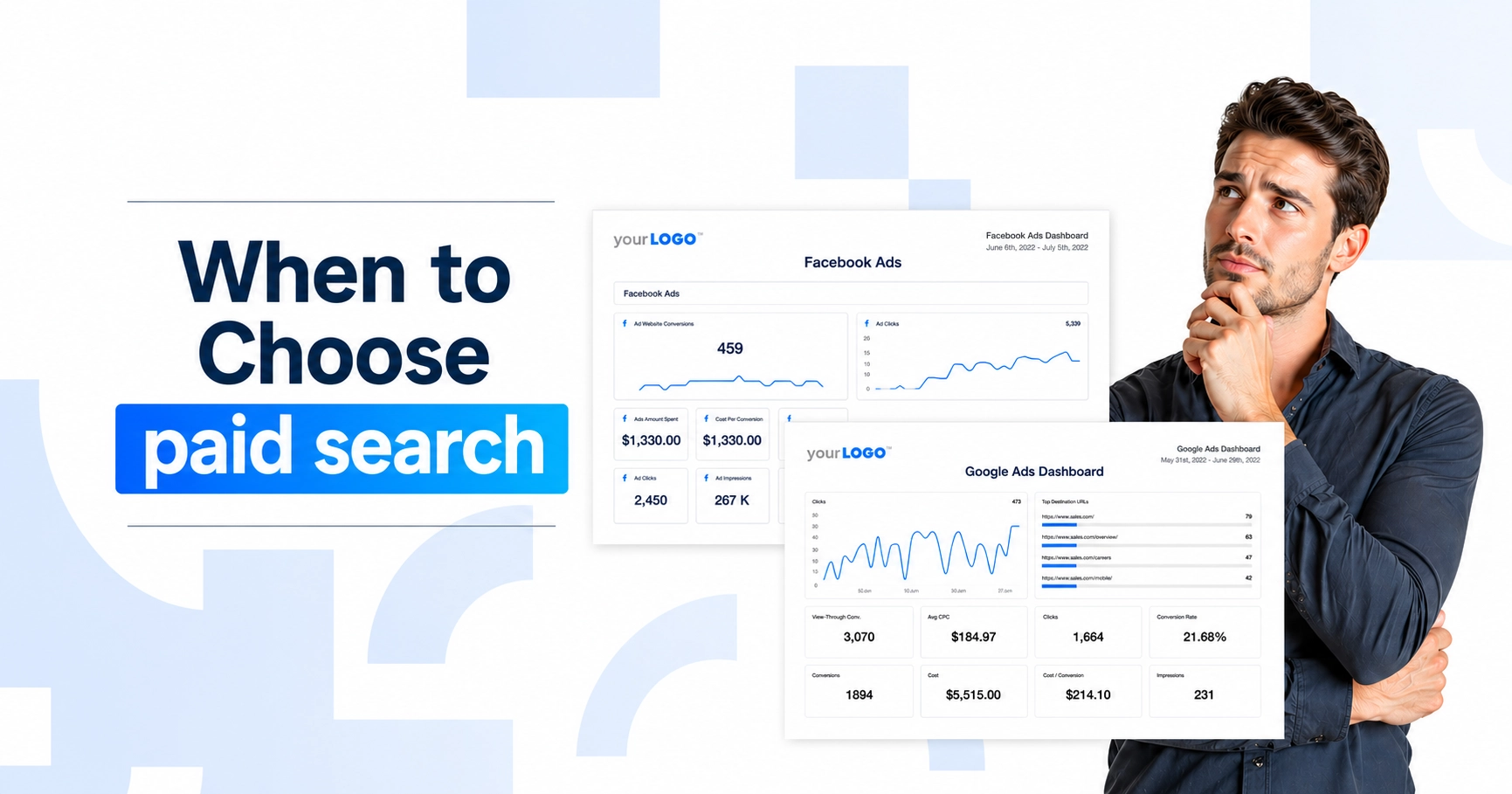
Quick results are needed when a business wants immediate visibility and fast outcomes like traffic, leads, or sales. This is very useful in situations where waiting for long-term strategies like SEO is not an option. For example, during product launches or limited-time promotions, businesses need to quickly reach potential customers and create awareness. Paid search helps in these cases because ads can go live instantly and start bringing visitors right away. It is also helpful when targeting highly competitive keywords, where ranking on the first page of search engines organically can take a lot of time, effort, and content building. With paid ads, businesses can appear at the top of search results immediately, even in a crowded market, giving them an advantage in capturing attention and driving faster conversions.
Integrating SEO and PPC for Better Results
Combined strategy advantages: Using SEO and paid search together gives better overall results. SEO helps build long-term growth, while paid ads bring quick traffic. When both work together, a business can get fast results and also strong long-term performance, making the overall marketing strategy more powerful and balanced.
Data sharing between channels: When SEO and paid search are used together, data from both channels can be shared and analyzed. For example, keywords that perform well in ads can be used in SEO content, and SEO insights can improve ad targeting. This helps in making smarter marketing decisions and reduces wasted effort.
Improved conversion optimization: A combined strategy helps improve conversions because users see your brand in multiple places, like ads and organic search results. This increases trust and recognition. Also, data from both channels helps optimize landing pages, ads, and content so more visitors turn into customers.
Role of Content in Organic Growth
Blogs and landing pages are very important for SEO because they help bring more traffic and make your website easier to find on search engines. Blogs share helpful information, answer people’s questions, and build trust over time. Landing pages focus on specific products or services and help turn visitors into customers by giving clear and simple information.
Using the right keywords is also important. It helps search engines understand your content. When you use keywords naturally in your titles and headings, your pages can rank higher and reach the right people.
Internal linking means connecting different pages on your website. This makes it easier for visitors to move around your site and helps search engines find your content faster. It also keeps users on your website longer and improves your rankings.All of this works even better with content marketing services, which help create clear, useful, and SEO-friendly content that brings long-term results.
Impact of Social Media on Search Visibility
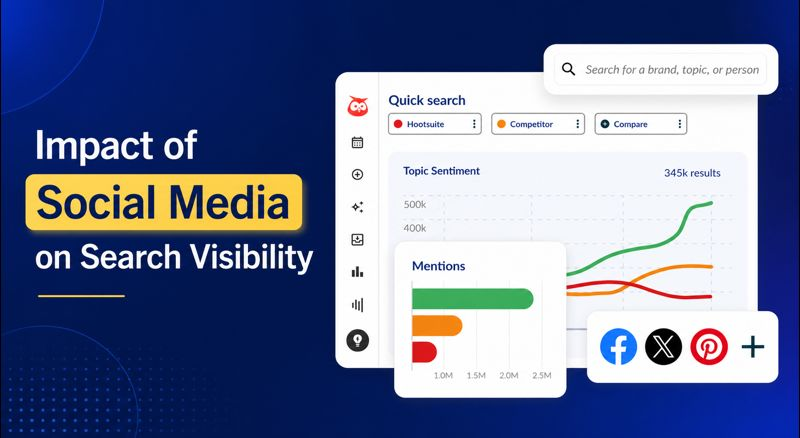
Social media plays an important role in building brand awareness and supporting website traffic. When a brand regularly shares useful and engaging content, more people start recognizing and trusting it, which increases visibility online. This also helps bring visitors to the website through shared posts, links, and campaigns. Even though social media may not directly improve SEO rankings, it provides indirect SEO benefits by increasing engagement, driving traffic, and improving content reach. As more people visit, share, and interact with the content, search engines can see stronger signals of relevance and authority. A Social Media Expert helps manage this process by creating strategies that grow followers, improve engagement, and connect social media efforts with overall digital marketing goals
Role of Email Marketing in Long-Term Strategy
Customer retention and engagement:
Email marketing helps businesses stay in regular contact with their customers even after a purchase or first visit. By sending personalized emails like newsletters, product updates, special offers, and helpful content, businesses can build trust and keep customers interested in the brand. This continuous communication makes customers feel valued, which increases loyalty and encourages them to stay connected for a longer time. A strong email strategy also helps re-engage inactive users and turn them back into active customers.Traffic repeatability:
Email marketing is one of the best ways to bring repeat visitors to your website. When users receive emails about new blogs, discounts, product launches, or useful updates, they are more likely to click and return to the site. This creates consistent and repeat traffic without depending only on search engines or ads. Over time, this repeated engagement helps increase conversions, as users become more familiar and comfortable with the brand.A skilled Email Marketing Expert plays an important role in managing this process effectively. They create targeted email campaigns, segment audiences based on behavior, and design messages that attract attention and drive action. They also test and optimize email performance to improve open rates and click-through rates. With the right strategy, an email expert helps businesses strengthen customer relationships, increase repeat traffic, and improve overall marketing results.
Aligning SEO with Email Marketing Efforts
-
Combining traffic acquisition and retention:
Email marketing helps businesses do both—bring new visitors and keep existing ones engaged. It can attract users through offers, updates, or lead magnets, and then continue to nurture them through regular emails. This creates a complete system where users are not only gained once but are also kept connected over time. -
Improving user lifecycle value:
Email marketing increases the total value a user brings to a business over time. By staying in touch with customers through personalized emails, businesses can encourage repeat purchases, build loyalty, and improve long-term engagement. This means each customer becomes more valuable throughout their journey. -
An Email Marketing Agency helps businesses manage this entire process in a professional way. It builds email strategies that attract new users, design automated campaigns for engagement, and optimize communication to increase customer lifetime value and long-term business growth.
Find the Right Balance Between SEO and Paid Ads
Common Mistakes to Avoid
Expecting instant SEO results:
SEO takes time to show results, but many people expect quick success. This is a mistake because search engines need time to crawl, index, and rank content. Real SEO growth happens slowly, and expecting instant results can lead to disappointment and wrong decisions.Over-dependence on paid ads:
Relying only on paid ads can be risky because traffic stops when the budget runs out. While ads can bring quick results, depending only on them makes long-term growth difficult and can increase marketing costs over time.Ignoring analytics and data:
Not checking performance data can lead to poor decisions. Analytics helps understand what is working and what is not, such as which pages get traffic or which ads convert better. Ignoring this data can result in wasted effort and missed opportunities for improvement.Poor keyword targeting:
Using the wrong keywords or not researching them properly can reduce website visibility. If you target keywords that people don’t search for, your content may not reach the right audience, leading to low traffic and poor results.Not updating content regularly:
Websites that are not updated often can lose rankings over time. Search engines prefer fresh and relevant content. If content stays outdated, it may not perform well, and competitors with updated pages can rank higher.
Choosing the Right Strategy for Your Business
Choosing the right SEO strategy depends on a few important things like budget, business goals, and industry competition. Budget means how much money a business can spend, so SEO plans need to fit within that limit. Business goals also matter because some companies want quick results like leads, while others want long-term growth and brand visibility. Industry competition is also important because in highly competitive markets, it takes more effort and stronger SEO to rank higher on search engines. A professional SEO Agency helps businesses understand all these factors and creates a simple and effective plan that matches their budget, goals, and competition level.
Future Trends in SEO and Paid Search
AI-driven search algorithms are changing how search engines work. Instead of only looking at keywords, they now try to understand what the user really means and what kind of answer they are looking for. Because of this, websites need to focus more on helpful and clear content rather than just adding keywords.
Voice search is also growing fast because many people now use tools like Siri, Alexa, and Google Assistant. People speak differently than they type, so searches are becoming more natural and question-based. This means websites need to use simple, everyday language and answer common questions clearly.
Automation in advertising is also becoming very important. It helps businesses run ads more easily because many tasks like bidding, targeting, and performance tracking are done automatically by smart systems. This saves time, reduces effort, and helps improve results by showing ads to the right people at the right time.
Conclusion: Which Strategy is Better for Long-Term Growth
In conclusion, organic SEO is one of the best ways to grow a business for the long term. It helps your website get regular traffic and builds trust with users over time. Unlike paid ads, SEO does not stop working when you stop spending money. Paid search is still useful because it gives quick results and fast traffic, especially for new products or promotions, but it only works while you keep paying for it.The best way is to use both SEO and paid search together. This helps businesses get quick results as well as long-term growth. It improves website visibility, brings more visitors, and increases chances of getting customers. With professional SEO Services from Redefining Web, businesses can use the right mix of strategies to grow online in a simple, smart, and effective way.
Start Building Sustainable Traffic Today
Common Questions About Organic SEO vs Paid Search

Know your website’s SEO Score.
Get a customized SEO Audit report & improve your website statistics.