Home » Blog » What Are Best Practice GEO for Content Marketing
Understanding where your audience is located and how their location shapes what they search for is becoming one of the most important parts of modern content strategy.
In fact, many businesses pair their content plans with Local SEO Services to ensure they reach people exactly where they are. This is where GEO enters the picture.
But what exactly is GEO, how does it work in digital marketing, and why does it matter so much for content marketers today?
Let’s break it down in a simple, practical way.
Start Reaching the Right Audience in the Right Place
Learn how GEO content can help your business connect with local customers and turn searches into real results.
GEO in digital marketing refers to geographical data information about the physical location of users, such as city, state, region, ZIP code, or even a radius around a particular point. Platforms like Google, Meta, YouTube, and mobile apps collect location signals to help businesses reach the right audience in the right place.
Easy explanation of what GEO means
GEO simply means location-based information. Whenever someone searches “best cafés near me” or “dentist in New York,” the search engine uses GEO signals to show results closest to that person. GEO helps brands tailor content, ads, and offers to specific areas so the message feels relevant and timely.
How Businesses Use Location Data
Location data helps companies avoid the “one-size-fits-all” approach and instead deliver content that matches local behaviours and interests.
Businesses use GEO data in several ways:
To show ads only to people in specific cities
To publish content that speaks directly to local needs
To understand which areas bring the most customers
To create region-based offers, events, or promotions
To adjust pricing or product availability for certain locations
Why Location-Based Marketing Matters Today
Local intent and GEO-driven behavior continue to rise globally, and the numbers clearly show it. These stats show why GEO has become a must-have for modern content marketing.Search engines now prioritize content that demonstrates local relevance + accurate business/location data.
46% of all Google searches now include local intent (searches containing “near me”, city names, or location terms).
Over 1.5 billion local-intent searches happen every month, averaging 50 million+ searches per day.
78% of local mobile searches lead to an offline purchase or store visit soon after.
About 76% of users who search “near me” visit a business within 24 hours.
Around 70% of consumers say they trust businesses more when they see GEO-relevant content or location-specific information.
Search engines now prioritize content that demonstrates local relevance + accurate business/location data.
Expert insights from
Sachin SharmaDigital Marketing Expert
“Whether it’s happening in ChatGPT or Google’s AI Overviews, generative search is here to stay. Businesses looking to ride the wave need to start optimizing for these experiences.”
What Is the Difference Between GEO and SEO for Content Marketing?
Simple comparison of what each one does
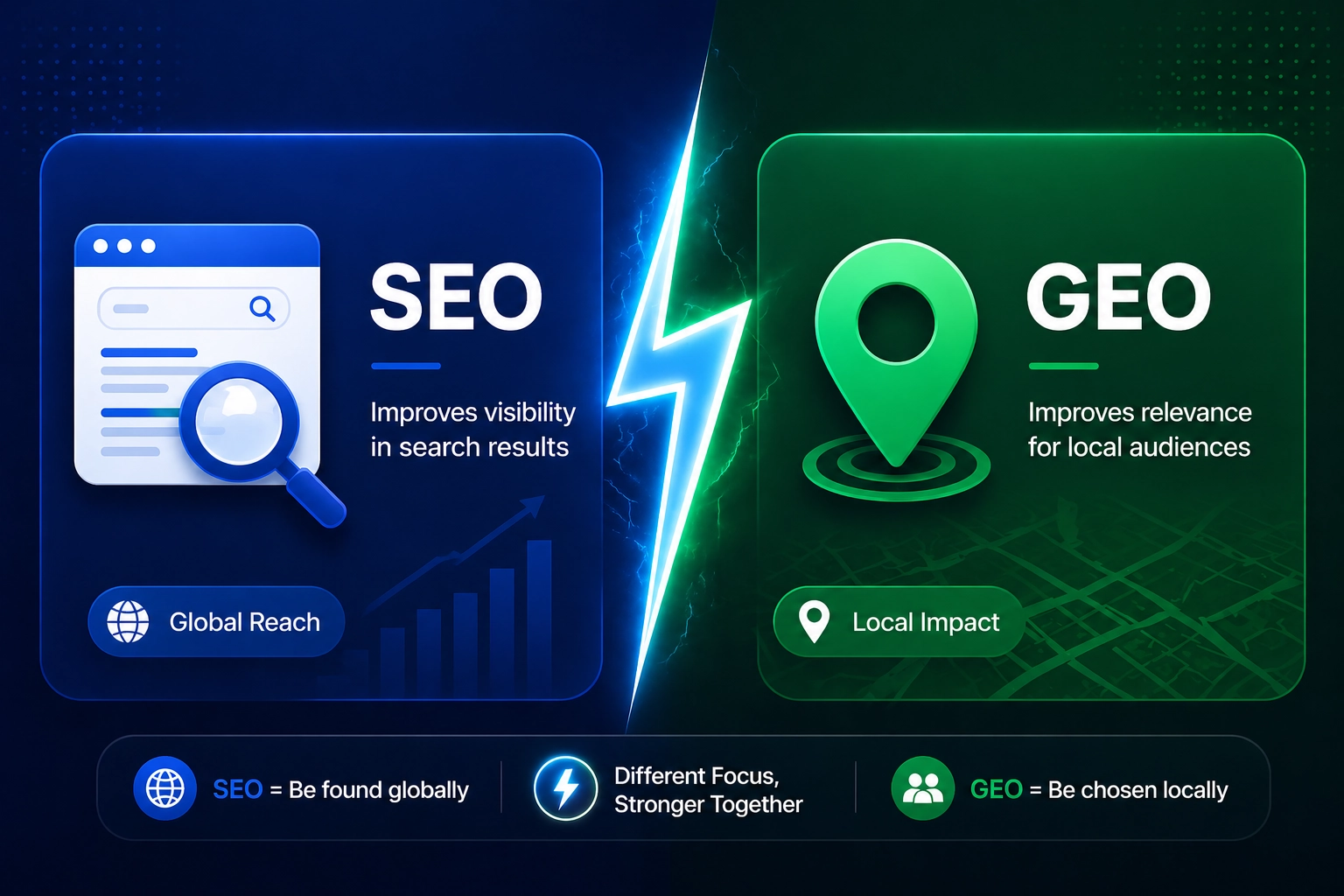
SEO helps your content appear in search results.
GEO helps your content appear to the right people in the right location.
Is GEO Taking Over SEO?
A common question is: “Will GEO replace traditional SEO?” The clear answer is No. GEO does not replace SEO.
How GEO supports SEO
Instead of replacing it, GEO makes your SEO stronger. When you add local relevance, search engines understand your content better and rank it more accurately for location-based queries.
Combine them, and you get content that ranks high and speaks directly to local audiences.
SEO = visibility
GEO = relevance
GEO vs SEO: Comparison Table for Content Marketing
Feature
GEO (Location-Based Targeting)
SEO (Search Engine Optimization)
Primary Focus
User location (city, ZIP, radius)
Search intent and keywords
Goal
Increase visibility in specific areas
Improve rankings across search engines
Best For
Local businesses, region-based offers, and hyperlocal content
Global content, topic-based blogs, informational queries
Target Audience
Narrow, location-defined
Broad, interest-defined
Impact on Conversions
High location intent converts quickly
Medium depends on search intent
Placement Control
Very precise (city/ZIP radius targeting)
Broad organic visibility
Dependence on User Behaviour
Location signals, real-time intent
Keyword search patterns
Use Cases
Local services, retail, restaurants, clinics, regional pages
Blogs, guides, evergreen articles, global brands
What Is GEO Targeting in SEO?
Explanation of how search engines use location. Search engines use signals such as IP address, device GPS, search history, and language settings to understand where a user is located. They then tailor results to match that location.
How GEO targeting helps local searches
When SEO and GEO work together, your content appears for searches like:
“Digital marketing agency in Chicago”
“Best clothing store in Los Angeles
“Roof repair services in Las Vegas”
Simple examples of local SEO actions
These steps help search engines connect your business to specific areas and improve local visibility.
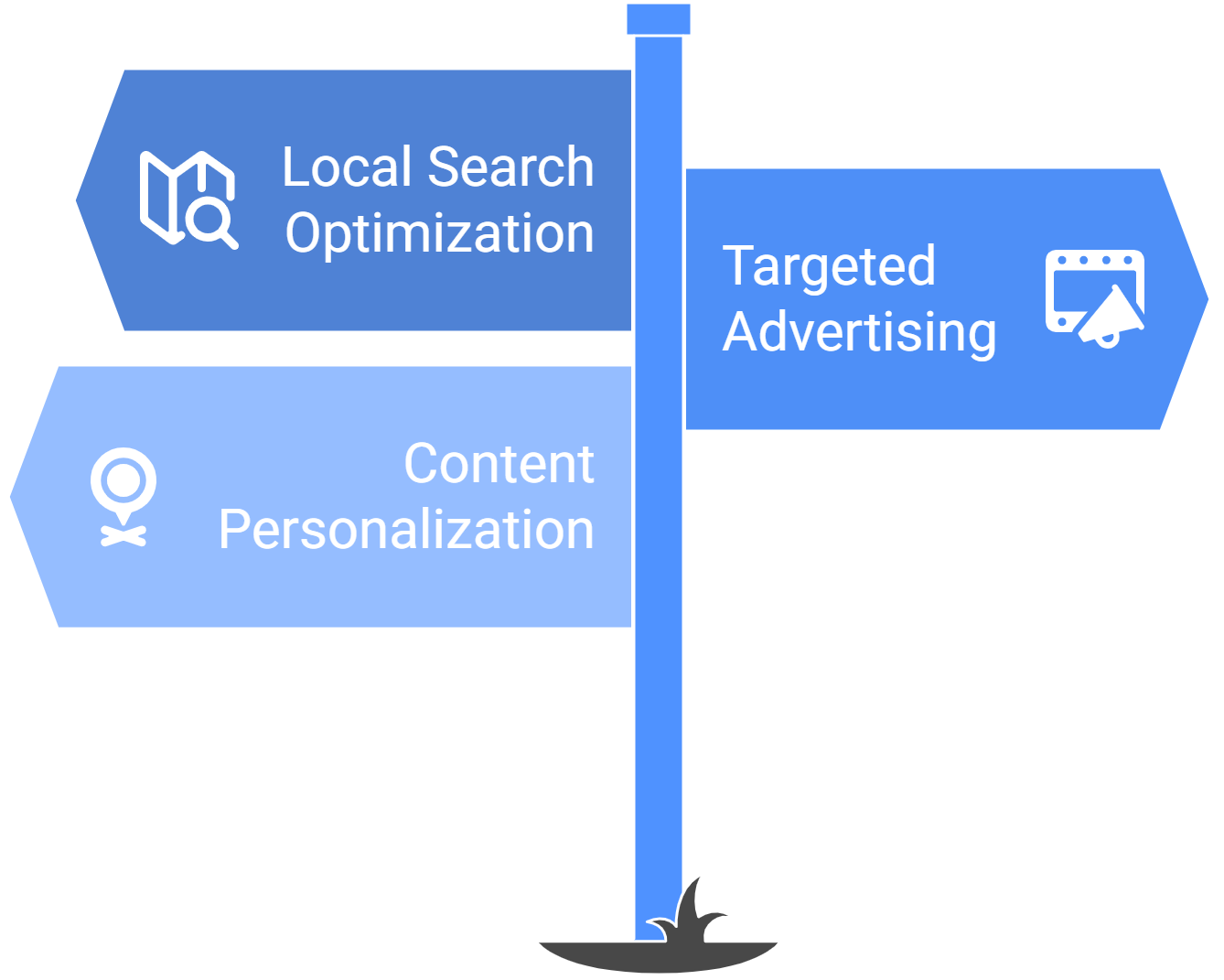
Adding your city name to your content
Updating Google Business Profile
Creating location pages
Adding directions, local FAQs, and area landmarks
How to Create GEO Content?
Creating effective GEO-driven content is surprisingly straightforward.
How to Do GEO Marketing
This helps refine your GEO strategy over time.
Select your target area (city/ZIP/region).
Set GEO targeting in Google Ads, Meta Ads, or YouTube.
Create content tailored to local needs.
Share content on local platforms or community pages.
Track performance by location (clicks, conversions, footfall).
Examples of GEO Marketing
Restaurants can run ads that only show up for people within 5 kilometers, making it easier to reach customers who are close by. Businesses can also write city-specific blog posts, like “Best Weekend Activities in Boston,” to connect with local readers. They can offer special deals based on location, such as “10% off for customers in California,” to get more people interested. Marketing can also change with the seasons—for example, focusing on tourists during busy travel months and on locals when things are quieter. This helps keep the ads useful and effective all year long.
How to Create GEO Content
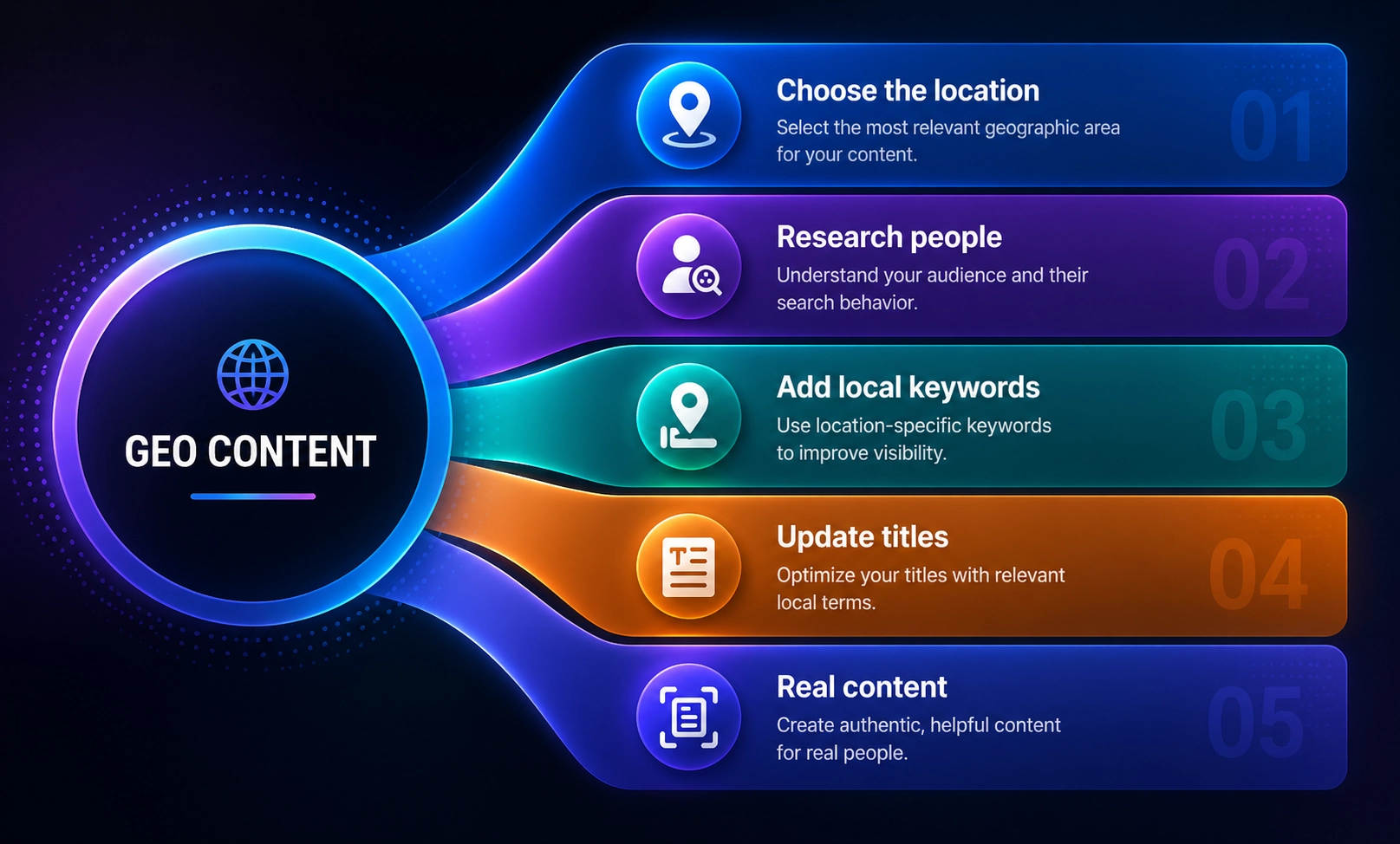
Creating GEO-driven content is more strategic than complicated.
Choose the target location: City, district, neighborhood, or region.
Research local keywords: Use Google Trends, Search Console, or local keyword tools.
Add location naturally: Instead of “top real estate tips”, use “Top real estate tips for buyers in Gurgaon”.
Optimize titles, headers, metadata: Search engines use these to detect local relevance.
Make content feel real to the region: Add local issues, culture, climate, or landmarks.
Ask this question while writing: “Would someone living in this area instantly know this content is meant for them?”
If yes, your GEO content is effective.
How to Do GEO Marketing?
Set GEO targeting on ads
Platforms like Google Ads, Facebook Ads, and YouTube allow precise location targeting.
Create content that fits local needs
Your messaging, visuals, and offers should reflect local interests or problems.
Share content on local platforms
These could include community pages, local forums, city-specific hashtags, or regional media outlets.
Track performance by location
Monitor which areas bring the most clicks, engagement, or conversions.
This helps refine your location strategy over time.
What Is an Example of GEO Marketing?
These examples show how GEO marketing builds local relevance and drives immediate action.
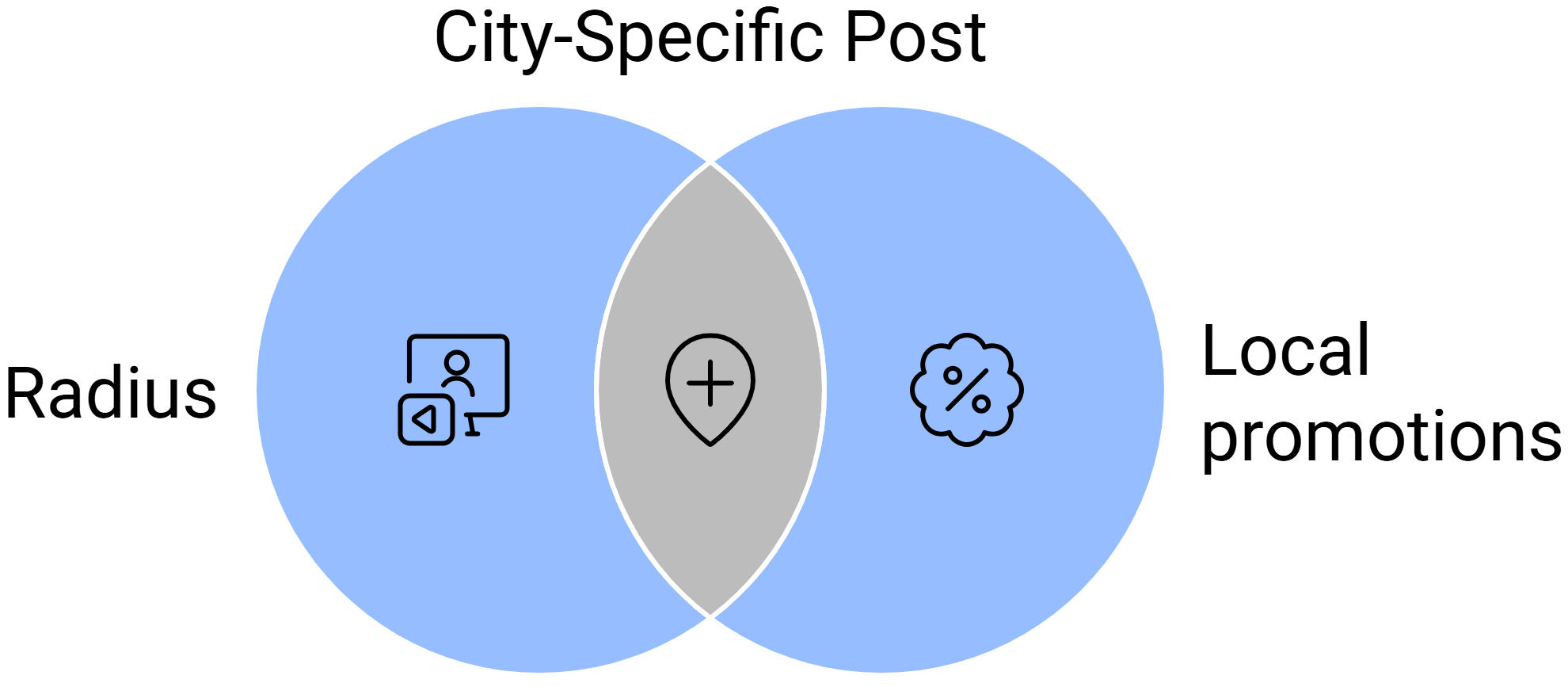
Radius-based restaurant ads targeting people within 5 km
City-specific blog posts, such as “Best Weekend Activities in USA”
Local promotions for stores, e.g., “10% off for customers in California”
Ads targeted at tourists or local shoppers, depending on peak seasons
Summing Up
GEO is a powerful tool for creating content that resonates in specific locations. It helps businesses deliver information that feels local, relevant, and useful. It doesn’t replace SEO; rather, it enhances it by adding context to search engines.
When businesses combine GEO strategies with traditional SEO (often supported by an experienced SEO Agency), they maximize visibility, engagement, and conversions. Using GEO properly can significantly increase local traffic, trust, and customer actions.
Ready to Grow with Smart GEO Content?
Use these GEO best practices to create location-focused content that drives more traffic, trust, and conversions.
I bring a wealth of knowledge and experience to WillShall Consulting with two decades of expertise in Website Design, Development, and Digital Marketing, My journey has been marked by a passion for creating innovative web solutions that not only meet but exceed client expectations.
As an avid analyst, I dedicate myself to understanding each customer’s unique needs, ensuring that our web solutions are not just functional but exceptional.
Know your website’s SEO Score.
Get a customized SEO Audit report & improve your website statistics.





 Chat on WhatsApp