
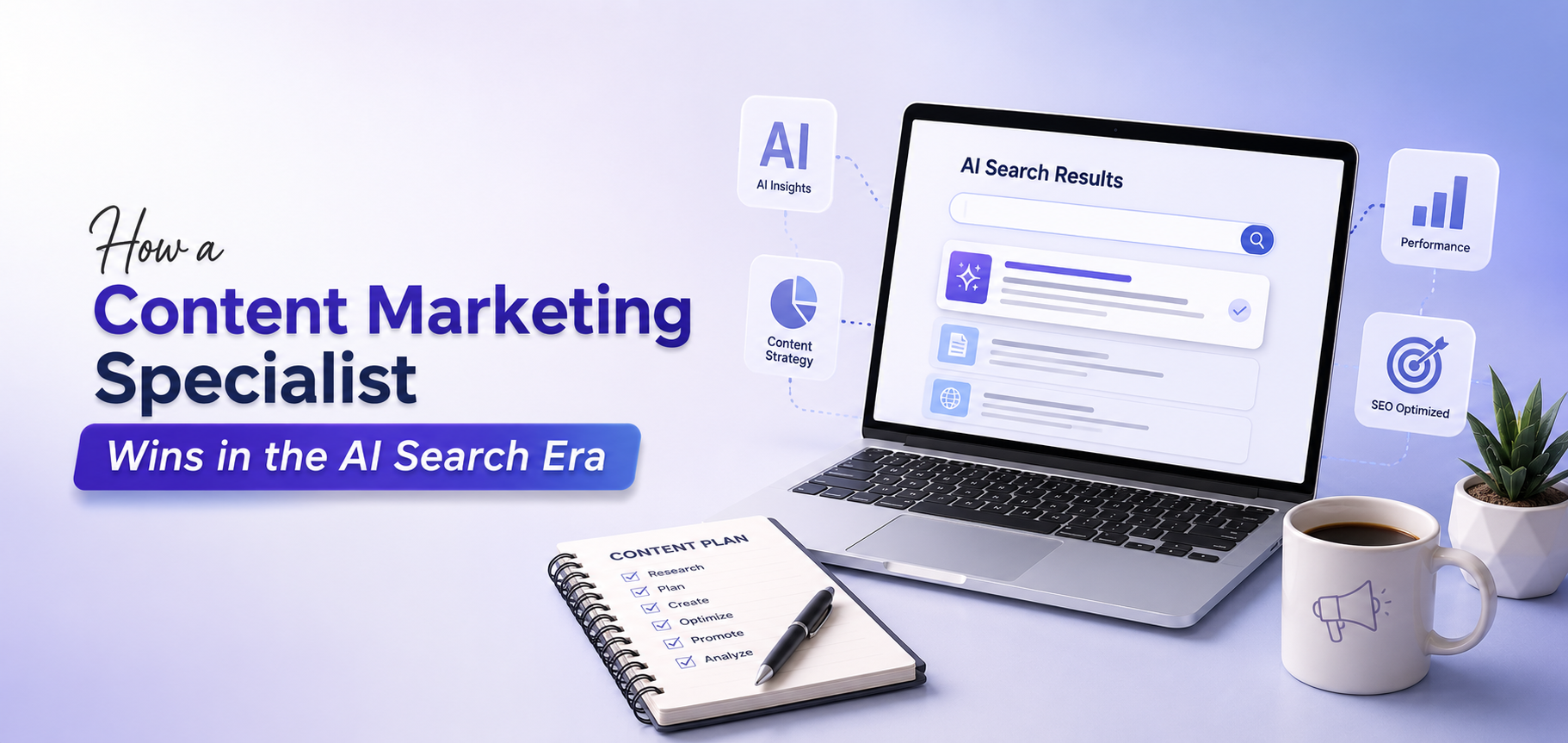
Content that used to rank well on Google now gets summarized in a box and skipped over before a reader ever clicks through. Search engines pull answers straight from web pages and display them at the top of the results page, which means fewer visits even when a brand ranks well. Most content strategies still follow rules built for a search engine that matched keywords rather than one that matches answers. A skilled content marketing specialist now has to think beyond rankings and focus on how AI systems choose, cite, and present information to users.
Get a free content and AI search visibility audit and see where your brand stands right now.

 Chat on WhatsApp
What Makes AI Search Fundamentally Different From Traditional Search
Traditional search sent users to a page. AI search often answers the question directly, using content pulled from several sources at once. The user gets what they need without a single click, which changes how brands earn visibility.
This shift moves the goal from ranking high to getting selected as the source behind an answer. Search engines used to reward keyword matching. Now they reward clarity, structure, and content that answers a question in the fewest words possible. Brands that adapt early gain a real edge over those still chasing old ranking signals.
5 Signs Your Content Strategy Isn’t Built for AI Search
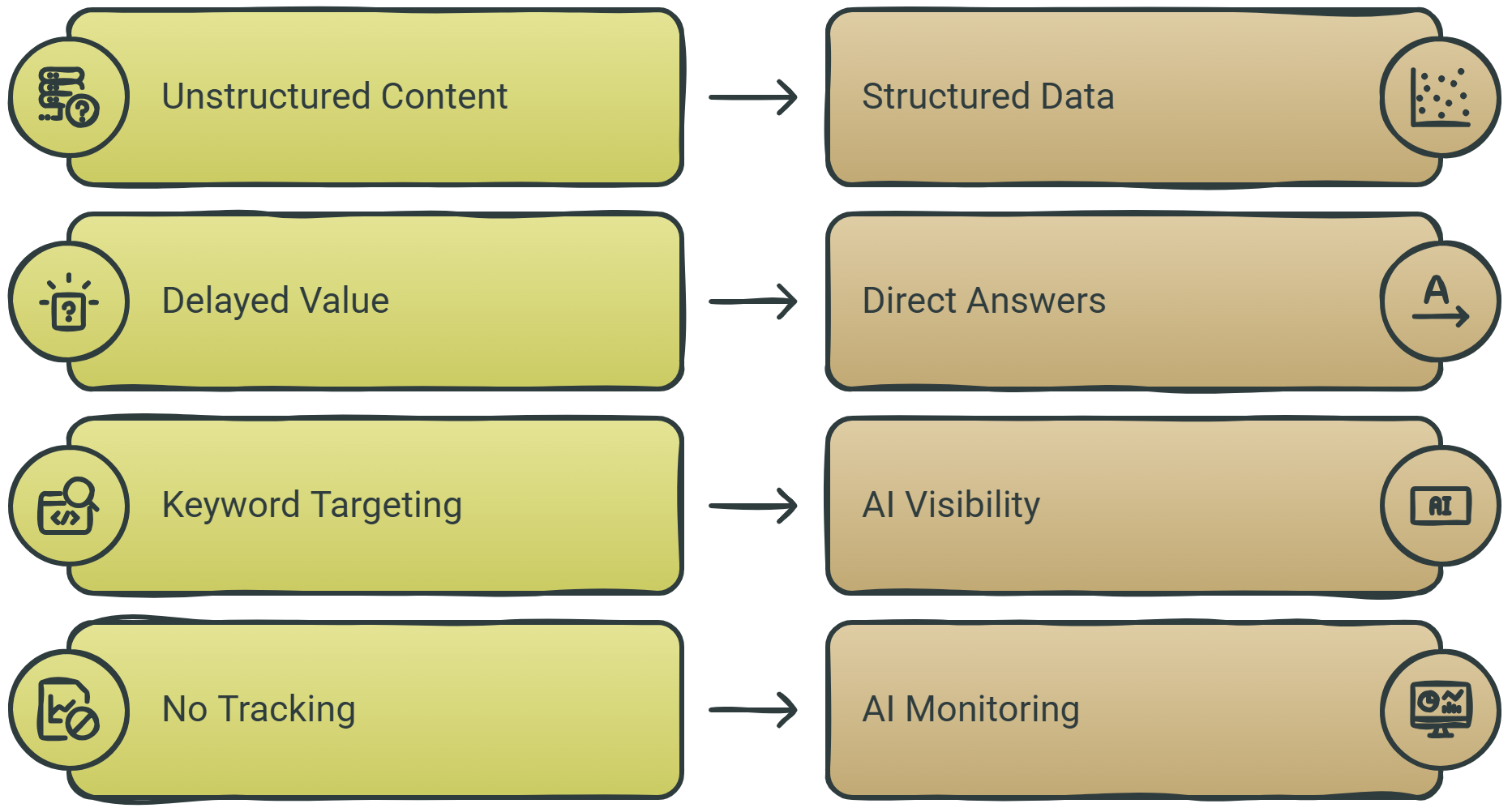
Many brands publish content daily without checking whether it actually works for how people search now. A few warning signs show up again and again.
- No structured data or clear answer formatting on the page
- Content buried under long intros before it gets to the point
- Zero visibility when you check AI tools directly for your own brand
- A strategy that still relies only on traditional keyword targeting
- No system in place to track AI-driven mentions or citations
If more than one of these applies to your brand, your content likely needs a serious update before it can compete for AI visibility.
Why a Content Marketing Specialist’s Role Has Changed in 2026
A content marketing specialist today writes for two audiences at once: human readers and AI systems that scan, extract, and summarize content. This means each page has to answer a question clearly near the top while still reading well for a person.
The job also includes a new balance between engagement and machine readability. Rankings alone no longer tell the full story of success. A specialist now tracks whether AI platforms cite the brand’s content, mention it by name, or use it to build an answer, and that data guides future content decisions.
How the Best Content Marketing Companies Are Adapting Their Approach
The best content marketing companies have stopped chasing word count and started chasing clarity. Shorter, direct answers placed early in an article perform better in AI search than long buildups that bury the point.
These companies also invest in topical authority, building a library of content around one subject so AI models see the brand as a trusted source. They test performance across Google and AI platforms side by side, rather than tracking one and ignoring the other, since each surface rewards slightly different signals.
What Sets Top Content Marketing Agencies Apart in the AI Search Era
Top content marketing agencies can prove their content earns citations inside AI-generated answers, not just clicks from a search results page. They back every content decision with real data instead of guesswork or gut feeling.
They also report on both traditional rankings and AI visibility in the same dashboard, giving clients a full picture of where their content stands. This transparency separates agencies built for the current search landscape from ones still running strategies designed for 2015.
Top content marketing agencies can prove their content earns citations inside AI-generated answers, not just clicks from a search results page. They back every content decision with real data instead of guesswork or gut feeling.
They also report on both traditional rankings and AI visibility in the same dashboard, giving clients a full picture of where their content stands. This transparency separates agencies built for the current search landscape from ones still running strategies designed for 2015.
Why Content Marketing Consulting Matters More Than Ever Right Now
Brands often have no idea where they stand in AI search until someone checks for them. Content marketing consulting fills that gap by showing a brand exactly how often it shows up, gets cited, or gets ignored across AI platforms.
A good consultant also separates quick wins from long-term investments, so a brand doesn’t waste budget rewriting everything at once. As AI search keeps shifting, ongoing consulting keeps a strategy current instead of letting it go stale within a few months.
How a Content Marketing Manager Adjusts Strategy for AI Visibility
A content marketing manager now builds content calendars around answer-first formats rather than publishing schedules based on volume alone. Every piece needs a clear purpose tied to a specific question or search intent.
Managers also work closely with SEO teams to make sure structured data supports every article, since that data helps AI systems understand and extract content accurately. Traffic still matters, but managers now track citations, brand mentions, and AI referral data as core performance metrics.
Traditional Content Strategy vs AI Search-Ready Content Strategy
| Factor | Traditional Strategy | AI Search Ready Strategy |
| Content structure | Long intros, buried answers | Direct answers placed early |
| Formatting priority | Keyword density | Clear structure and scannability |
| Visibility surfaces | Google search only | Google, AI chat tools, and voice search |
| Reporting metrics | Clicks and rankings | Citations, mentions, and referral data |
| Long-term relevance | Fades as algorithms shift | Adapts as AI models retrain and update |
Why an SEO Content Marketing Agency Approach Works Better Than Separate Services
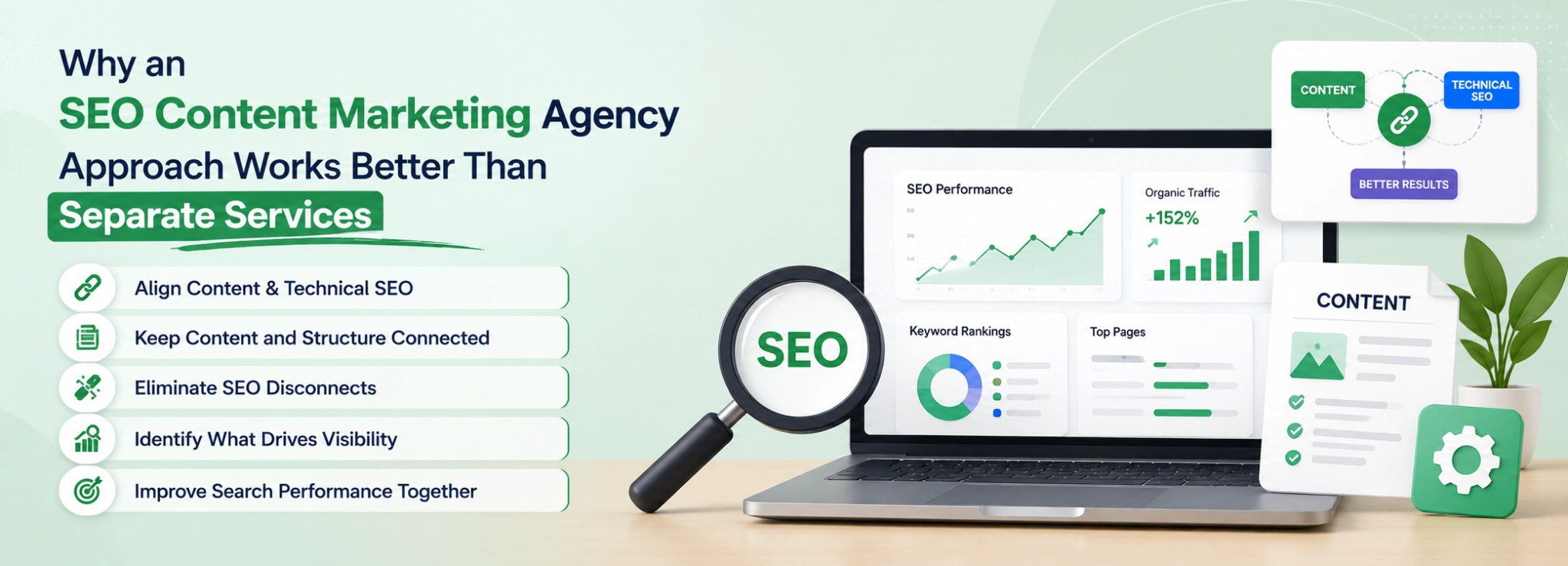
When content and technical SEO live under one roof, decisions happen together instead of in separate silos. A writer knows how a page needs to be structured before they start, and an SEO team understands the intent behind every piece of content. An SEO content marketing agency builds this connection into its process from day one, rather than treating writing and technical SEO as two unrelated jobs.
This connected approach removes the common disconnect between what gets written and how a page actually performs. It also speeds up the process of finding what drives visibility, since both teams work from the same data instead of guessing at each other’s results.
How an Organic SEO Expert Supports Content That Performs in AI Search
An organic SEO expert builds the technical foundation that lets AI crawlers find, read, and understand a website’s content. Without this groundwork, even great content can go unnoticed by the systems that decide what gets cited.
Structured data recommendations paired with content strategy give AI models the context they need to trust and reference a page. Regular audits catch small technical issues before they turn into major visibility gaps, keeping a brand’s content accessible as search technology keeps changing.
What an Organic SEO Agency Adds That Content Alone Can’t Achieve
An organic SEO agency builds authority through backlinks and brand mentions across the web, something content alone cannot do on its own. This authority signals trust to both traditional search engines and AI models.
Technical health also plays a role most brands overlook, since a slow or poorly structured site can block AI crawlers from accessing content at all. Great writing paired with strong technical SEO creates the kind of long-term visibility that content quality by itself simply can’t guarantee.
6 Content Practices Winning in AI Search Right Now
Brands that consistently show up in AI-generated answers tend to follow the same set of habits.
- Clear, direct answers placed early in every piece of content
- Original data and insights that AI models can reference and cite
- FAQ style sections that address real questions people actually search
- Regular content updates instead of only publishing new pages
- Strong internal linking that supports topical authority across a site
- Active monitoring of brand mentions across AI platforms directly
What Separates Brands Winning in AI Search From Those Falling Behind
Brands ahead of the curve invested early in structured, answer-first content instead of waiting for AI search to become the norm. That early start built trust with AI models before competitors even noticed the shift.
These brands also keep a consistent presence across multiple search surfaces rather than betting everything on one channel. They stay flexible and adjust strategy as AI search keeps evolving, while brands falling behind still treat content the same way they did five years ago.
Companies and Agencies Setting the Standard for AI Search Visibility
A handful of agencies have built real reputations for adapting early to AI search. Each one brings a different strength to the table, and the table below breaks down what makes each one stand out.
-
Redefining Web
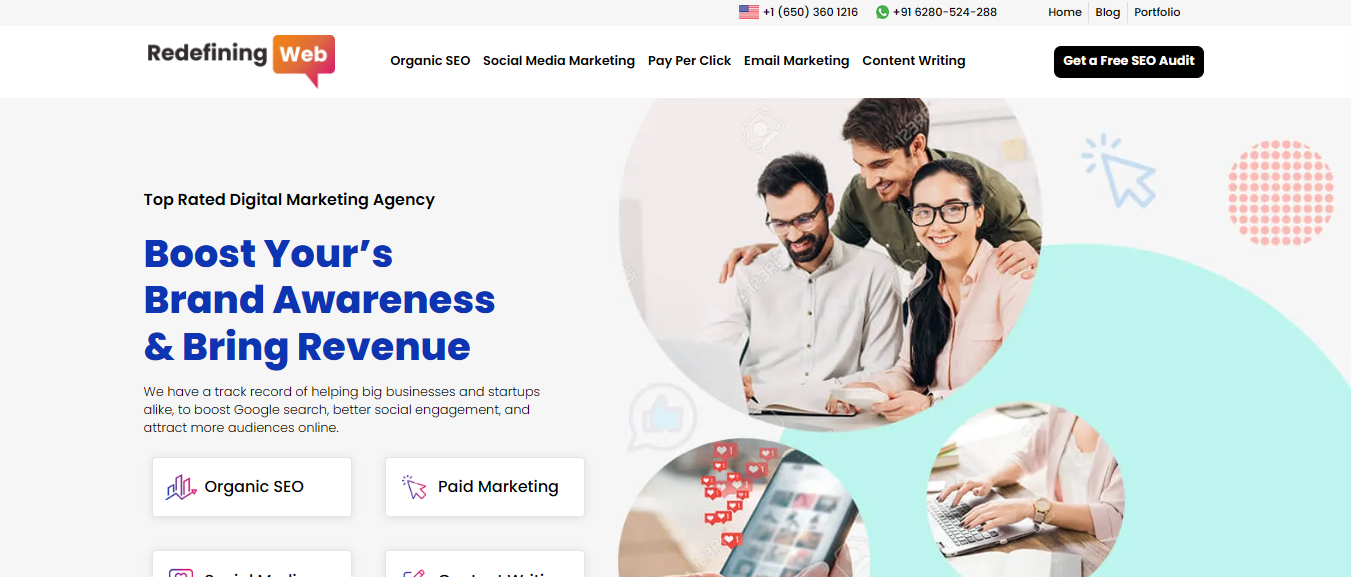
- Rating: 4.9/5
- Core services: SEO content strategy, AI search optimization, technical SEO audits
- Best for: Brands that want content and technical SEO handled together under one team
- Redefining Web built its entire content process around answer-first writing and AI citation tracking long before most agencies treated AI search as a priority, which puts it at the top of this list.
-
WillShall Consulting
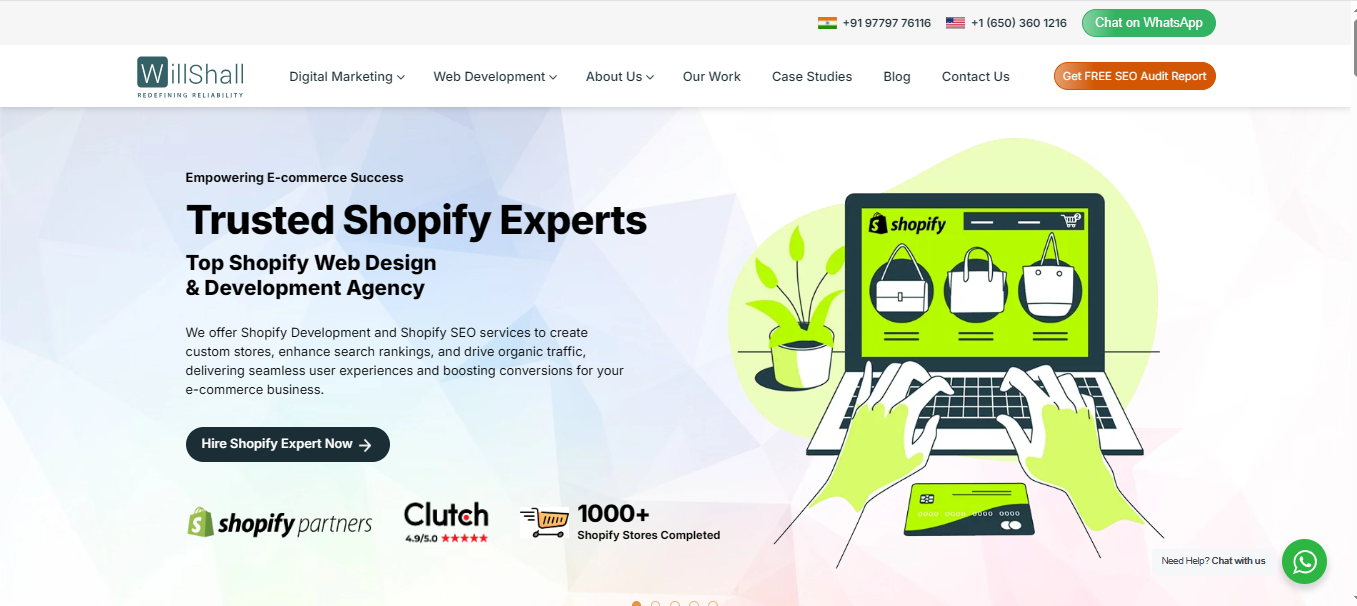
- Rating: 4.8/5
- Core services: Shopify development, digital marketing, content and SEO strategy
- Best for: E-commerce brands that need content strategy paired with platform expertise
- WillShall pairs deep Shopify knowledge with content built for both search engines and AI tools, making it a strong second choice for brands running online stores.
-
Grow and Convert
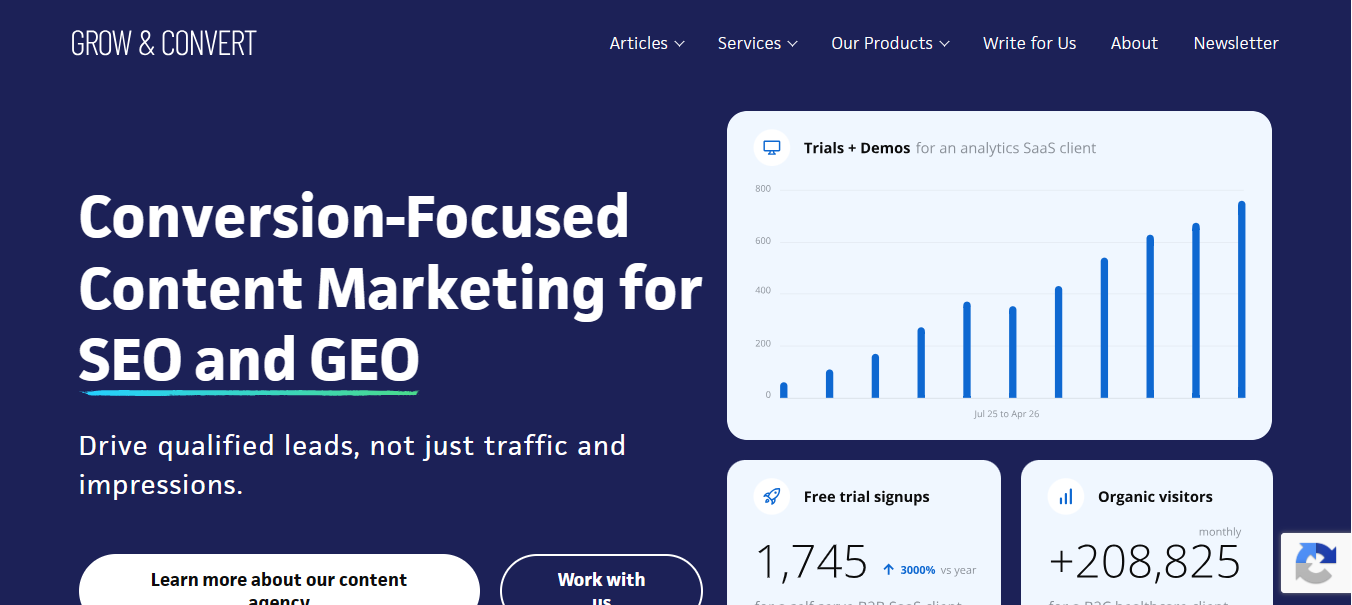
- Rating: 4.4/5
- Core services: Content marketing, conversion-focused writing
- Grow and Convert built a name around content that converts readers into leads, though its AI search focus still lags behind the top two names on this list.
-
Aron Web Solutions
- Rating: 4.2/5
- Core services: SEO, web design, local search optimization
- Aron Web Solutions covers the fundamentals well but offers less depth in AI search-specific strategy compared to agencies built around that focus.
-
SEO Discovery
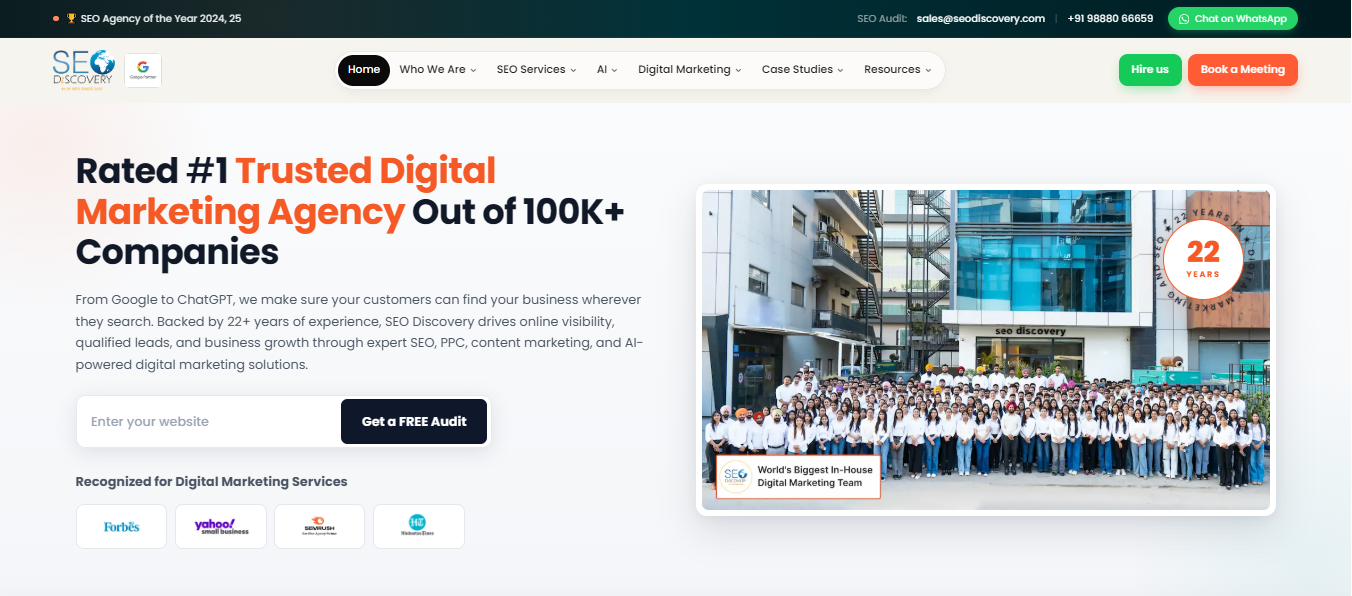
- Rating: 4.0/5
- Core services: SEO audits, keyword research, link building
SEO Discovery handles core SEO tasks reliably, though its content and AI visibility offerings remain limited next to more specialized agencies.
What a Content Creation Marketing Agency Can Learn From These Examples
Any content team, no matter the size, can apply answer-first formatting to their existing content without a full rebuild. Small structural changes often matter more than adding new pages.
The examples above also show that quality and originality beat publishing volume every time. A content creation marketing agency that builds around genuine expertise, rather than surface-level coverage of trending topics, earns more trust from both readers and AI models over time.
How to Audit Your Current Content for AI Search Readiness
Start by checking how your brand actually appears, or fails to appear, inside popular AI tools. Search your own brand name and main topics directly and note what comes up.
Next, review your top-performing content for structure and clarity, since even strong content can lose visibility if the answer sits buried under paragraphs of setup. Separate quick win updates, like adding a clear answer near the top, from bigger rewrites that need more time and planning.
5 Questions to Ask a Content Marketing Specialist Before Hiring
Before you hire anyone to handle your content strategy, ask these five questions and listen closely to the answers.
- How do you measure AI search visibility for a brand?
- Can you show real examples of content that earned AI citations?
- How do you approach structured data across a website?
- Do you handle SEO and content together or as separate services?
- How do you stay current as AI search continues to change?
A content marketing specialist who can answer all five clearly and with real examples is worth serious consideration.
How Long Does It Take to See Results From an AI-Ready Content Strategy
Structured content updates can show early signs of progress within a few weeks, especially on pages that already rank but lack clear formatting. AI citation and trust take longer to build, often several months, since AI models need repeated exposure to a source before they treat it as reliable.
Consistency matters more than a single overhaul. Brands that keep updating and refining content regularly tend to see steadier, longer-lasting results than those that rewrite everything once and stop.
Closing Thoughts
Winning in the AI search era means writing for extraction and citation, not just chasing traditional rankings the way brands did a few years back. The right content marketing specialist bridges strategy, technical SEO, and AI search readiness into one connected approach instead of treating them as separate jobs, and agencies like Redefining Web have shown what that connected approach looks like in practice.
Get a free content marketing strategy consultation or request a custom quote today.
Frequently Asked Questions About Content Marketing Specialist


Know your website’s SEO Score.
Get a customized SEO Audit report & improve your website statistics.