
Many businesses hire a social media marketing agency expecting steady growth, only to receive random posting schedules and reports that mean nothing. The team promises reach and engagement, then delivers a stack of screenshots with likes and followers that never translate into sales. This gap between expectation and reality has grown wider as platforms change faster than most contracts get signed.
The social media landscape heading into 2026 looks nothing like it did even two years ago. Algorithms reward different content, audiences expect authenticity over polish, and platforms now function as search engines in their own right. Old evaluation criteria simply do not hold up anymore. This article breaks down exactly what businesses should look for when they choose social media agencies this year, from strategy and pricing to red flags and realistic timelines.
Get a free social media strategy audit and see exactly where your current approach falls short before you sign with anyone new.

 Chat on WhatsApp
How Social Media Marketing Has Changed Heading Into 2026
AI now shapes almost every part of content creation and distribution. Platforms use machine learning to decide what surfaces in a feed, and that shift rewards content built for genuine interaction rather than volume alone. Short-form video keeps climbing as the format audiences trust most, and authentic, unpolished content often beats a highly produced ad.
Social platforms increasingly work as search tools too. Users type questions directly into TikTok or Instagram before they ever open Google. An agency that still treats social media as a broadcast channel misses this entirely, and businesses that partner with a team stuck in old habits lose visibility exactly where their customers now look first.
Why Yesterday’s Agency Criteria No Longer Apply
Follower count used to serve as the main measure of success, but that number tells almost nothing about real business impact today. Engagement quality, meaning comments that lead to conversations and shares that reach new audiences, matters far more than a large but passive following. A page with fifty thousand followers and no interaction produces less value than one with five thousand engaged buyers.
Posting-only services also fall short of what businesses need now. Filling a content calendar with generic captions and stock images no longer counts as a strategy. Every platform demands its own approach, and a one-size-fits-all calendar ignores the fact that a video that performs on TikTok often fails completely on LinkedIn.
5 Signs a Social Media Agency Is Still Using an Outdated Playbook
Some agencies have not updated their approach in years, and the warning signs usually show up early. Watch for these patterns before signing any contract:
- Reporting that only tracks likes and followers, with no mention of conversions or business outcomes
- The same content style and tone applied across every client, regardless of industry
- No discussion of platform algorithm changes during onboarding or strategy calls
- Zero strategy session before the agency starts posting content
- A single posting schedule applied to every platform without adjustment
Any one of these signs on its own might not disqualify an agency, but two or more together usually point to a team running on autopilot.
What to Look for in Social Media Marketing Firms Before You Sign
Strong social media marketing firms bring proof, not promises. Ask for case studies that show measurable results, including specific numbers tied to traffic, leads, or revenue rather than vague claims about brand awareness. A firm confident in its work will share this information without hesitation. Redefining Web, for instance, has built its reporting process around this exact kind of transparency, giving clients specific numbers instead of generic summaries.
Transparent reporting matters just as much. The agency should connect every metric back to a business goal instead of presenting a wall of numbers with no context. Clear communication from day one, including who handles the account and how often updates arrive, separates a professional operation from one that disappears after the contract gets signed.
Why Strategy Should Come Before Any Content Creation Begins
A discovery process should always happen before a single post gets scheduled. This means the agency takes time to understand the brand voice, target audience, and business goals rather than jumping straight into content production. Skipping this step almost guarantees generic output.
Platform selection should follow the same logic. The agency needs to identify where the actual audience spends time rather than posting everywhere out of habit. Content pillars built around real business goals, not passing trends, keep the strategy focused and give every post a clear purpose.
How to Evaluate the Quality of Social Media Management Services
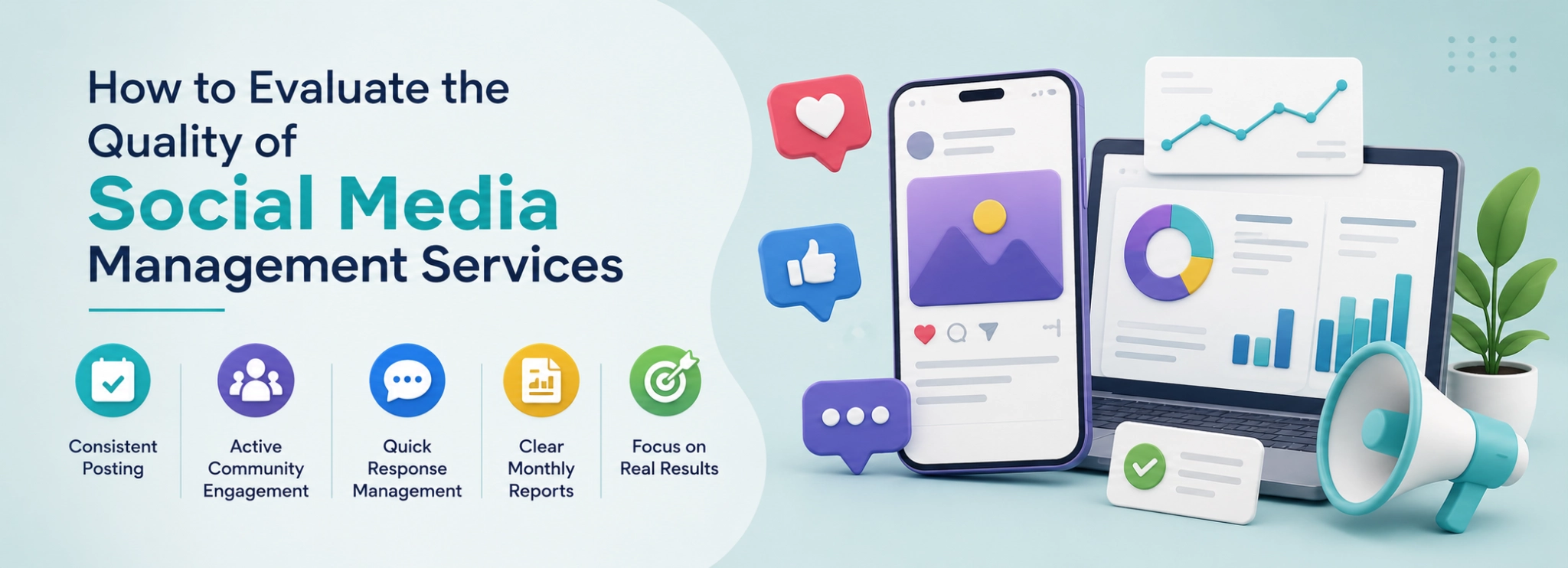
Consistency separates dependable social media management services from unreliable ones. Posts should go out on schedule without gaps, and the quality should stay steady from month to month rather than dropping once the contract feels secure. Community engagement matters just as much, since a brand that ignores comments and messages sends the wrong signal to potential customers.
Monthly reporting should connect directly to outcomes the business cares about. A good report explains what worked, what did not, and what changes come next. Reports that only celebrate vanity metrics without addressing results rarely hold up under scrutiny.
Why a Social Media Expert Should Explain Strategy, Not Just Execute It
A true social media expert explains the reasoning behind every content decision rather than simply delivering finished posts. This transparency lets the client understand why certain formats or topics get prioritized over others. An expert willing to educate the client throughout the relationship builds trust that a purely transactional vendor never earns.
Proactive recommendations also set experts apart from order-takers. Instead of waiting for a problem to appear, a skilled strategist flags opportunities and risks before they affect performance. This kind of forward thinking often separates agencies that merely survive from ones that consistently grow their clients’ accounts.
Outdated Agency Approach vs. 2026-Ready Agency Approach
| Factor | Outdated Approach | 2026 Ready Approach |
| Strategy Depth | Minimal or none before posting | Full discovery and platform research |
| Reporting Quality | Focused on likes and followers | Tied to business outcomes and conversions |
| Platform Adaptability | Same content everywhere | Tailored formats per platform |
| Content Originality | Templated across clients | Custom to brand voice and audience |
| Communication Style | Reactive, slow to respond | Proactive updates and clear reasoning |
Can Affordable Social Media Marketing Services Still Deliver Real Results
Affordable does not have to mean weak. Many smaller businesses assume a limited budget locks them out of quality work, but plenty of affordable social media marketing services still deliver strong results through focused, efficient execution. These packages usually cover core platforms, a defined number of posts per month, and basic community management rather than a full suite of services.
Scalable tiers let a growing business add services as revenue increases, which keeps costs proportional to actual needs. The real risk sits in hidden costs and scope creep, where a low starting price balloons once extra requests or platforms enter the picture. Reading the fine print before signing avoids this problem entirely.
What’s Usually Included in a Social Media Marketing Services Agency Package
A standard social media marketing services agency package typically covers three core areas. Content creation and scheduling form the foundation, covering everything from graphics and captions to a monthly calendar. Community management follows closely behind, covering responses to comments and direct messages that keep the audience engaged.
Monthly performance reporting rounds out most packages, giving the business visibility into what happened and why. Some agencies bundle paid ad management or influencer outreach into higher tiers, so it helps to confirm exactly what falls inside the base package before assuming anything extra comes included.
6 Questions to Ask About Pricing Before You Sign With an Agency
Pricing structures vary widely between agencies, and a few direct questions prevent costly surprises later. Before signing anything, ask:
- What is included in the base price versus billed as an add-on
- How does pricing scale as the account grows or adds platforms
- Is ad spend separate from the monthly management fee
- What happens if the business wants to pause or cancel services
- How often does the agency review and adjust pricing
- Do the contract terms lock the business into a long commitment
Getting clear answers to these questions before signing protects the budget and prevents disputes down the road.
Understanding White Label Social Media Services and What It Means for You
Some agencies quietly subcontract work to another company and present it under their own brand. This practice, known as white label social media services, is not inherently a problem, but transparency about it matters a great deal. A business deserves to know who actually creates and manages its content, even if a third party handles the execution.
If white labeling seems likely, a few direct questions clear up the situation quickly. Ask who physically creates the content, whether the same team handles every client account, and how the agency maintains quality control over subcontracted work. Honest answers here build confidence, while dodged questions signal a bigger problem.
How to Tell the Difference Between Social Media Experts and Content Posters
Not everyone who manages a social account qualifies as one of the social media experts a business actually needs. Strategic thinking separates the two groups clearly. A content poster schedules posts and moves on, while an expert studies performance data and adjusts direction based on what the numbers show.
Understanding platform algorithms and current trends also sets experts apart. They know why a certain video format spreads while another falls flat, and they can explain how a specific piece of content ties back to a business outcome like leads or sales. This connection between content and results marks the real difference in skill level.
Why Platform-Specific Knowledge Matters More Than Ever in 2026
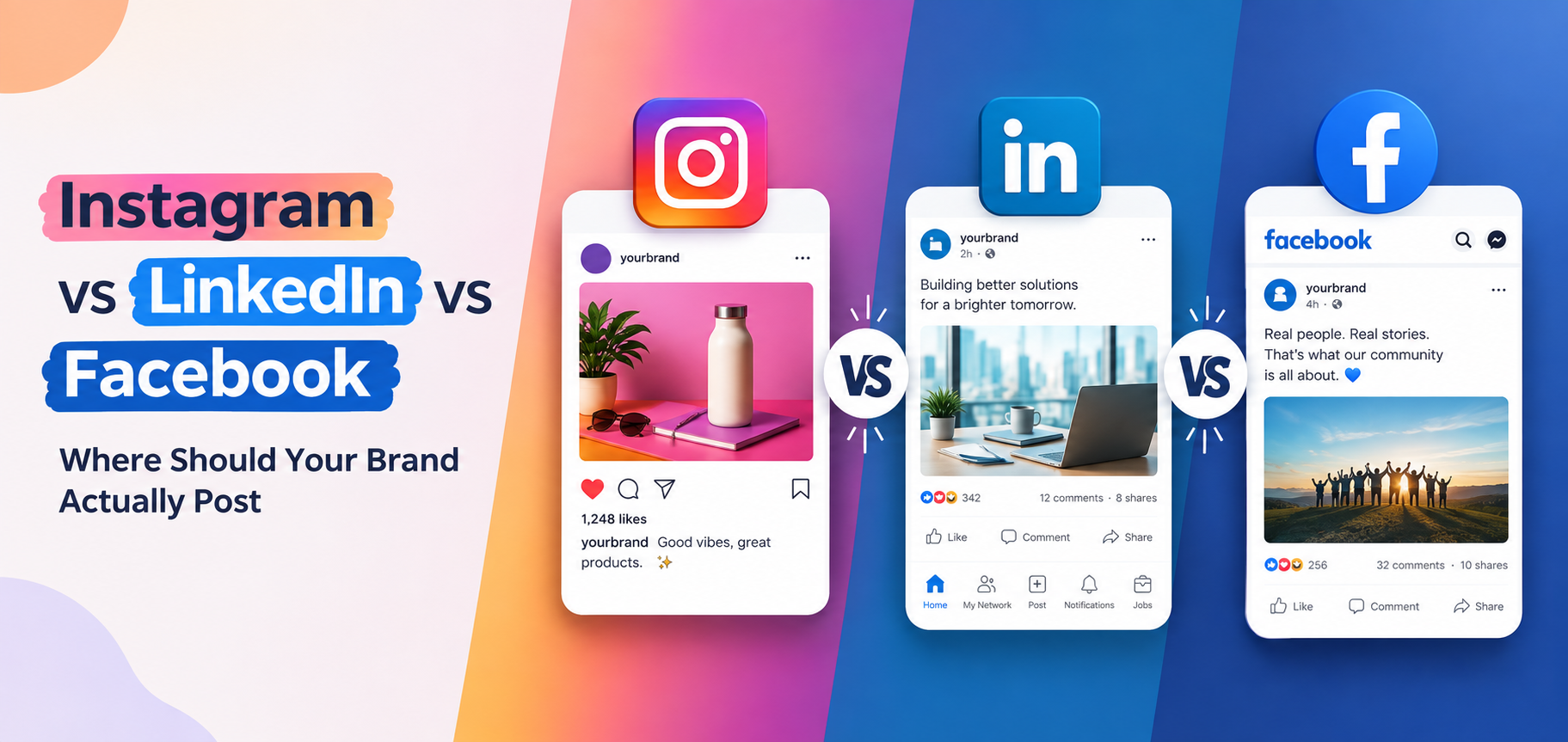
Every platform now demands its own content strategy. What works on Instagram often fails outright on LinkedIn, and a single approach applied everywhere wastes both budget and audience attention. Businesses need a partner who understands these differences at a granular level.
Short-form video trends continue to dominate attention across nearly every platform, but the style and tone still shift depending on where it appears. Platforms functioning as search tools add another layer of complexity, since content now needs to answer real user questions rather than simply entertain. An agency without this platform-specific knowledge cannot keep pace with how audiences actually search and scroll in 2026.
What Real Social Media Management Services Should Include Beyond Posting
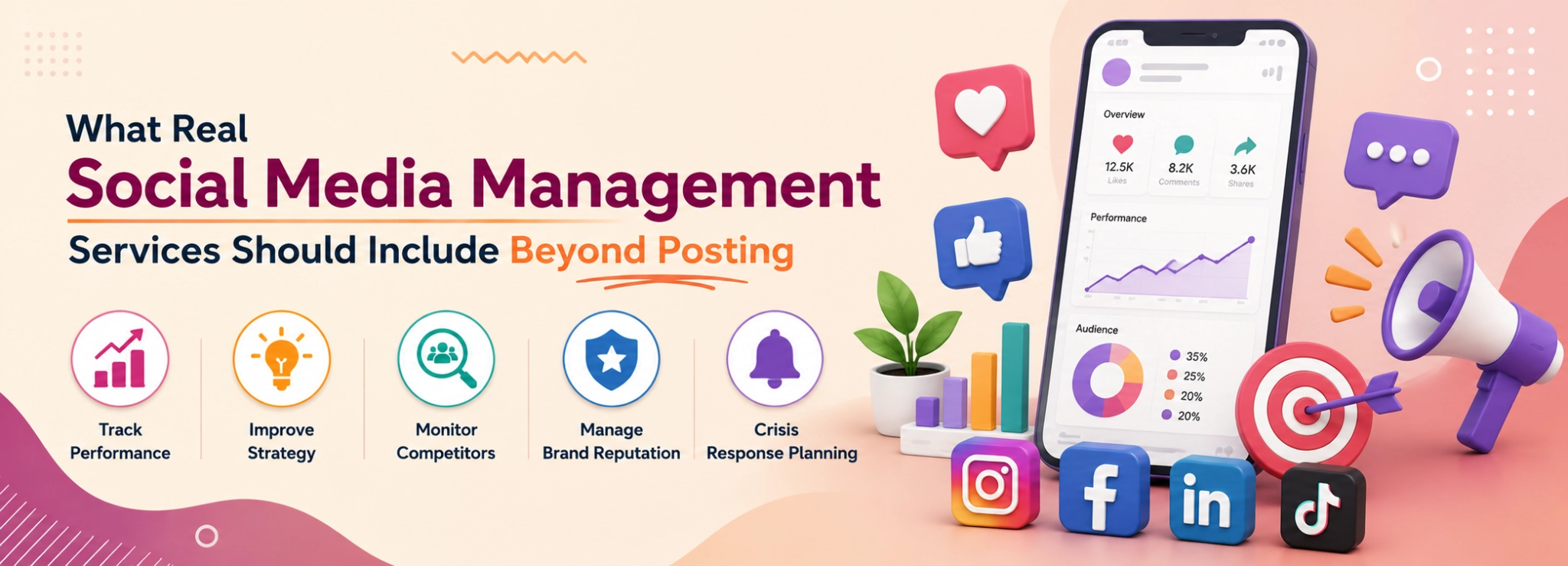
Posting content represents only one small piece of what real social media management services should cover. Performance analysis and ongoing strategy adjustments matter just as much, since a static plan quickly becomes outdated as platforms and audience behavior shift. Competitor monitoring also belongs in this mix, giving the business visibility into what similar brands do well or poorly.
Crisis and reputation management planning rounds out a complete service offering. A single negative viral moment can undo months of steady growth, so an agency should have a plan ready before anything goes wrong, not after. Businesses that skip this step often find themselves scrambling during the exact moment they need calm, prepared guidance.
Red Flags to Watch for When Vetting Social Media Marketing Firms
Certain warning signs show up repeatedly among underperforming social media marketing firms. A lack of clear past client results ranks among the most common, since firms with real success rarely hesitate to share specifics. Vague answers about reporting and metrics follow close behind, often masking a lack of substantive strategy.
Pressure to sign quickly without a real discovery conversation deserves particular caution. A firm that skips this step usually plans to apply a generic template rather than build something specific to the business. Taking time to notice these patterns before committing saves both money and frustration later.
Handling Social Media Internally vs Hiring an Agency
| Factor | Handling It Internally | Hiring an Agency |
| Cost | Lower direct cost, higher time cost | Predictable monthly investment |
| Time Investment | Significant, ongoing daily commitment | Minimal, handled by the agency team |
| Expertise Range | Limited to current staff skills | Broad, spans strategy, design, and analytics |
| Consistency | Often inconsistent due to competing priorities | Reliable, scheduled execution |
| Scalability | Difficult without hiring more staff | Easier through service tier upgrades |
How to Review an Agency’s Past Results Before Committing
Reviewing an agency’s track record thoroughly prevents a lot of regret later. Requesting case studies with real numbers, not just general descriptions, gives a clear picture of what the agency actually delivers. Reaching out to past or current clients directly adds another layer of confirmation beyond the agency’s own marketing materials.
Evaluating the consistency of the agency’s own social presence also reveals a lot. A team that struggles to maintain its own accounts rarely manages a client’s presence any better. This kind of due diligence takes a bit of extra time upfront, but it prevents a far more costly mistake later.
5 Questions to Ask Every Social Media Marketing Agency in 2026
A short list of pointed questions during the vetting process reveals a great deal about how an agency actually operates. Before signing, ask:
- How do you measure success beyond basic engagement numbers
- Can you show real client results with specific figures
- How do you stay current with platform algorithm changes
- What does the actual monthly reporting look like
- How flexible is the contract if business needs change
An agency that answers these questions clearly and specifically almost always performs better than one that gives vague, rehearsed responses.
Why the Right Fit Matters More Than the Biggest Agency Name
The largest agency name in the market does not automatically mean the best fit for every business. Smaller agencies often provide more hands-on attention, with direct access to strategists rather than layers of account managers. This closer relationship can lead to faster adjustments and clearer communication.
Bigger agencies sometimes rely on templated systems that scale well across many clients but lack the customization a specific business needs. Communication style matters too, since a business that prefers quick, informal updates may struggle with a rigid, corporate reporting process. Finding the right match matters more than chasing the biggest name in the industry.
What Results You Should Realistically Expect in the First 90 Days
The first ninety days with a new agency usually focus on building a solid foundation rather than delivering massive growth right away. Strategy development, content planning, and initial execution take priority during this period. Early engagement signals and small audience growth typically appear, but these should be treated as early indicators rather than as final results.
Setting realistic expectations from the start prevents disappointment and premature decisions to switch agencies again. Major growth usually builds over several months as the strategy gets refined based on real performance data. A business that understands this timeline stays patient through the early stage and gives the strategy room to actually work.
Closing Thoughts
Choosing the right agency in 2026 means looking past posting volume and follower counts toward strategy, transparency, and platform expertise, since these factors actually drive results this year. Redefining Web has built its own approach around this exact standard, helping businesses evaluate and select social media marketing agencies that match their specific goals rather than settling for generic execution.
Get a free social media strategy consultation or a custom quote built specifically around your business goals.
Frequently Asked Questions About Social Media Marketing Agency


Know your website’s SEO Score.
Get a customized SEO Audit report & improve your website statistics.