Skip to main content



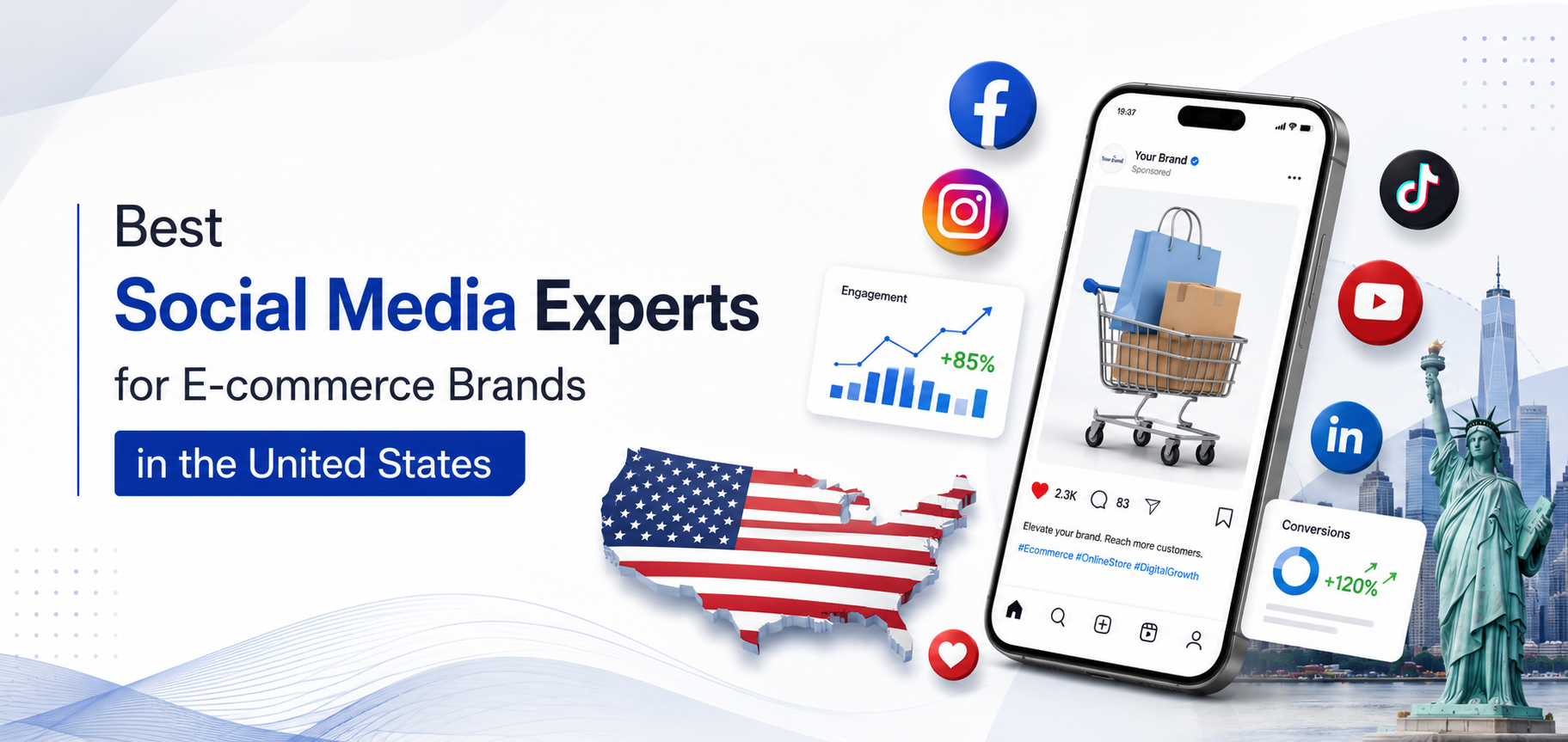
Most brands try to post on every platform at once, then wonder why nothing works. A retail shop opens accounts on Instagram, LinkedIn, and Facebook the same week, posts the same graphic on all three, and waits. Nothing sticks because each platform pulls a different audience with different habits. Social media marketing only pays off when a brand picks the right platform for the right goal instead of spreading a small budget across every app that exists. This article breaks down what each platform does best, how to match a platform to your business type, and what to expect when you bring in outside help.
Why Social Media Marketing Strategy Starts With Platform Choice
Posting on every platform sounds like a safe bet, but it drains the budget fast. A team that splits its time and ad spend across five channels usually produces weak content on all of them instead of strong content on one or two. Audiences behave differently depending on where they scroll. A shopper browsing Instagram wants visuals and quick entertainment, while a hiring manager on LinkedIn wants industry insight and proof of expertise.
Brand growth comes from matching content to platform behavior, not from matching content to every platform equally. A dentist’s office and a software company need two completely different plans, even if both call it a social media strategy. The starting question should never be “Which platforms exist?” But “Where does our specific audience already spend time?”
Instagram Marketing for Business: What It’s Best For
Instagram marketing for business works well for brands that sell something people want to see before they buy: clothing, food, interior design, fitness, beauty, and similar visual categories. Shoppers browse Instagram the way they browse a magazine, so a product that photographs well has a natural advantage here. Service businesses can still use Instagram, but they need to lean on behind-the-scenes content, client transformations, or short educational clips to hold attention.
Reels drive the most reach right now, followed by Stories and carousel posts.. A carousel that walks through a process or a before-and-after tends to keep viewers scrolling longer than a single static image. Stories work best for quick polls, countdowns, and daily updates that build familiarity without demanding much production effort.
Instagram Marketing for Beginners: Getting Started the Right Way
Instagram marketing for beginners starts with the profile itself, not the content calendar. A clear profile photo, a bio that states exactly what the business offers, and a working link set the foundation before a single post goes live. Skipping this step means every visitor who lands on the page leaves confused about what the account actually does.
New accounts often make the same mistakes: posting inconsistently, using irrelevant hashtags, or copying trends that have nothing to do with the brand. A better approach sets a realistic posting schedule, even if that means three posts a week instead of daily, and sticks to content formats the audience already responds well to. Consistency beats volume in the early months.
LinkedIn Marketing Agency Services: What They Actually Cover
A LinkedIn marketing agency usually focuses on lead generation rather than broad visibility, since LinkedIn users log in with a work mindset. These agencies build out content calendars around thought leadership posts, employee advocacy programs, and targeted outreach to decision-makers in specific industries. The goal shifts from likes and shares toward booked calls and qualified conversations.
Content that performs well on LinkedIn tends to include founder stories, case studies, industry commentary, and data-backed insights. Text-heavy posts with a strong first line often outperform flashy graphics here, since the platform rewards depth over polish. A short video of a founder explaining a lesson learned can outperform a designed infographic.
Facebook Marketing: Still Relevant for Certain Brands
Facebook still holds a large user base, especially among people over 35, and that demographic controls real spending power. Local businesses, community groups, and brands targeting parents or older consumers often find their exact audience still active there. The platform rewards local engagement, event promotion, and group participation more than younger platforms do.
Ad targeting remains one of Facebook’s biggest strengths. The platform lets businesses target by location, age, interest, and even life events like moving or having a child, which makes it useful for service businesses with a local radius. A plumber or a dental practice can reach nearby households far more precisely on Facebook than on Instagram or LinkedIn.
Comparison Table 1: Instagram vs. LinkedIn vs. Facebook by Audience and Content Type
| Platform | Primary Audience | Best Content Format | Engagement Style | Typical Ad Cost Range |
| Ages 18 to 34, visual shoppers | Reels, Stories, Carousels | Likes, saves, shares | $0.50 to $3.00 per click | |
| Professionals, B2B decision makers | Text posts, case studies, video | Comments, connection requests | $5.00 to $10.00 per click | |
| Ages 35 and up, local audiences | Event posts, community groups, video | Comments, group discussion | $0.40 to $2.50 per click |
Facebook vs Instagram for Business: Key Differences That Matter
Facebook vs. Instagram for business often comes down to organic reach. Instagram posts still reach a decent share of followers without paid promotion, while Facebook has cut organic reach so heavily that most posts need ad spend to travel far. This gap changes how a business budgets its time between the two platforms.
Product-based businesses tend to win on Instagram because shoppers want to see the item in use before they buy. Service-based businesses, especially local ones, often get more value from Facebook because of the group culture and the way local recommendations spread through community pages. Neither platform beats the other outright. The fit depends entirely on what the business sells.
When B2B Brands Should Prioritize LinkedIn Marketing Partners
LinkedIn marketing partners matter most for industries like software, consulting, finance, and professional services, where the buyer researches for weeks before reaching out. Manufacturing, SaaS, and B2B services see the strongest results because their buyers actively use LinkedIn to vet vendors and check credibility before a sales call ever happens.
Lead quality on LinkedIn usually beats lead volume. A LinkedIn campaign might generate fewer total leads than a Facebook campaign, but those leads tend to sit closer to a buying decision because the targeting reaches job titles and company sizes directly. A business chasing ten qualified conversations should weigh that against a business chasing a thousand impressions.
When Instagram Outperforms Facebook for Brand Growth
Instagram tends to win when the target audience skews younger, since Gen Z and younger millennials spend far more time there than on Facebook. A brand trying to reach college students or young professionals gets more traction posting Reels than running a Facebook page that audience rarely opens.
Visual product categories such as apparel, home decor, skincare, and food see faster growth on Instagram because the format matches how people already shop for those items. A furniture brand showing a room transformation in a fifteen-second reel captures attention in a way a Facebook text post never will.
Signs Your Brand Should Be on Multiple Platforms
Not every business needs to run three platforms at once, but certain signals point toward a multi-platform approach:
- The target audience shows real activity across more than one platform, not just a presence
- The business has enough budget to produce distinct content for each channel instead of reposting the same image everywhere
- Sales data shows leads or customers arriving from more than one social source already
- The team has the bandwidth to respond to comments and messages across every account it runs
A brand without at least two of these signals usually does better by focusing on one platform until it has the resources to expand.
What Social Media Marketing Services Typically Include
Social media marketing services generally cover content creation, posting schedules, and monthly analytics reporting as the core package. Most providers handle the graphic design, caption writing, and scheduling, so the business owner does not have to touch the platform daily.
Ad management often gets added as a separate line item rather than a default inclusion. A client who wants organic content only pays a different rate than a client who wants paid campaigns running alongside their posts. Reporting usually breaks down reach, engagement, and follower growth so the client can see where the budget goes each month.
Social Media Marketing Firms vs. In-House Teams
Social media marketing firms often cost less than building an internal team once salary, software, and training get factored in. A single in-house hire rarely covers strategy, design, copywriting, and paid ads all at once, so most businesses end up needing either a full department or an outside partner.
Speed and consistency tend to favor agencies, since they already run established workflows across multiple clients. An internal hire might take months to build a content system from scratch, while an experienced firm can plug in existing processes within a week or two. The tradeoff is that an internal team knows the brand’s day-to-day operations more intimately.
How to Choose Among Social Media Marketing Companies
Reviewing past work matters more than a sales pitch when comparing social media marketing companies. A portfolio should show real client results, not just polished mockups, and it should include work in a similar industry or business size when possible.
Watch for a few red flags during the vetting process:
- Vague answers about how they measure success
- No willingness to share past client results or references
- Contracts that lock the business in for a full year with no exit option
- Promises of guaranteed follower counts or viral posts
A firm that specializes in one or two platforms rather than claiming expertise everywhere often delivers stronger results, since deep platform knowledge beats shallow coverage.
Social Media Marketing Consultant vs Full-Service Agency
A social media marketing consultant fits businesses that already have some internal capacity but need strategic direction, training, or a second opinion on their current approach. Consultants typically charge for their time and expertise rather than for content production itself.
A full-service agency fits businesses that want the entire process handled, from content calendars to posting to reporting. The choice often comes down to how much internal bandwidth the business already has. A company with a marketing coordinator might only need a consultant, while a company with no marketing staff at all usually needs the full package.
What a Social Media Marketing Manager Actually Does Day to Day
A social media marketing manager spends a large share of the week managing the content calendar, approving graphics, writing captions, and scheduling posts across platforms. Community engagement takes up another chunk of time, since replying to comments and messages within a reasonable window keeps followers engaged and protects response time metrics.
Reporting and strategy adjustments happen on a recurring basis, usually weekly or monthly. A manager reviews which posts performed well, which formats underperformed, and adjusts the following month’s plan based on that data rather than repeating the same approach regardless of results.
Understanding Social Media Marketing Packages
Social media marketing packages usually break into three tiers: starter, growth, and enterprise. A starter package typically covers one platform with a set number of posts per month and basic reporting. A growth package adds a second platform, more frequent posting, and some paid ad management. An enterprise package covers multiple platforms, daily posting, full ad management, and detailed weekly reporting.
Pricing scales with the scope of each tier, and most agencies let clients move between tiers as their budget or needs change. A business testing social media for the first time often starts with a starter package before committing to a larger monthly spend.
Social Media Marketing Agency for Small Business: What to Expect
A social media marketing agency for small business clients usually scopes services around a tighter budget, which means fewer platforms and a lower posting frequency than a large enterprise client would receive. This keeps costs manageable while still building a consistent presence.
Results for small budgets take longer to show up in a meaningful way, often three to six months before follower growth or lead volume becomes noticeable. Business owners who expect overnight results from a small monthly budget usually end up disappointed, while those who understand the realistic timeline tend to stick with the process long enough to see it pay off.
Best Social Media Marketing Companies: What Sets Top Providers Apart
The best social media marketing companies share a few traits that separate them from the rest of the field: proven results across multiple clients, transparent reporting that shows real numbers instead of vanity metrics, and a willingness to explain their strategy rather than hide behind jargon.
Communication style matters just as much as results. A top provider keeps the client involved in strategy decisions rather than disappearing for a month and returning with a report. Redefining Web has built out full platform strategies for clients across dental, home services, and retail industries, pairing content production with clear monthly reporting so business owners always know where their budget goes.
Comparison Table 2: Social Media Marketing Package Tiers
| Tier | Platforms Covered | Content Volume | Ad Management | Reporting Frequency |
| Starter | 1 platform | 8 to 12 posts monthly | Not included | Monthly |
| Growth | 2 platforms | 16 to 20 posts monthly | Basic ad management is included | Biweekly |
| Enterprise | 3 or more platforms | 25-plus posts monthly | Full ad management included | Weekly |
How to Match Your Business Goals to the Right Platform Mix
Brand awareness goals and lead generation goals point toward different platform choices. A brand chasing visibility and recognition often leans on Instagram and Facebook, since both platforms reward frequent, visual content that spreads through shares and comments. A brand chasing qualified leads, especially in a B2B space, usually sees stronger returns from LinkedIn.
Budget allocation should follow the same logic instead of splitting evenly across every platform by default. A business with $2,000 a month to spend might put $1,200 toward the platform driving the most conversions and the remaining $800 toward a secondary platform for broader reach. Even distribution across three platforms almost always underperforms a focused allocation toward the one or two channels doing the actual work.
Common Mistakes Brands Make When Choosing Platforms
Chasing trends over audience fit ranks as one of the most common and costly mistakes. A brand jumps onto a new platform because a competitor gained attention there, without checking whether its own audience actually spends time on that platform. This produces content that never finds its intended viewer.
Ignoring analytics compounds the problem. A business that keeps posting on a platform despite months of low engagement, simply because that platform felt like the obvious choice at launch, wastes budget that could go toward a channel already showing traction. Data should drive platform decisions more than instinct or habit.
Questions to Ask a Social Media Marketing Partner Before Hiring
Before signing with any provider, a business should get clear answers to these questions:
- How do you measure and report success each month?
- Who owns the content, graphics, and captions once the contract ends?
- What does the cancellation process look like, and is there a minimum term?
- How often will we communicate about strategy and results?
- Can you share results from a client in a similar industry?
Clear answers to these questions upfront prevent confusion and frustration months into a contract.
Conclusion
Platform choice should follow audience behavior, not trends or guesswork, and a strategic platform mix built around real goals will always outperform scattered posting across every app available. Businesses that treat social media marketing as a targeted investment rather than a checklist item see stronger returns from the exact same budget. Redefining Web has helped clients across several industries build that kind of focused, results-driven approach.
Frequently Asked Questions About Social Media Marketing


Know your website’s SEO Score.
Get a customized SEO Audit report & improve your website statistics.